




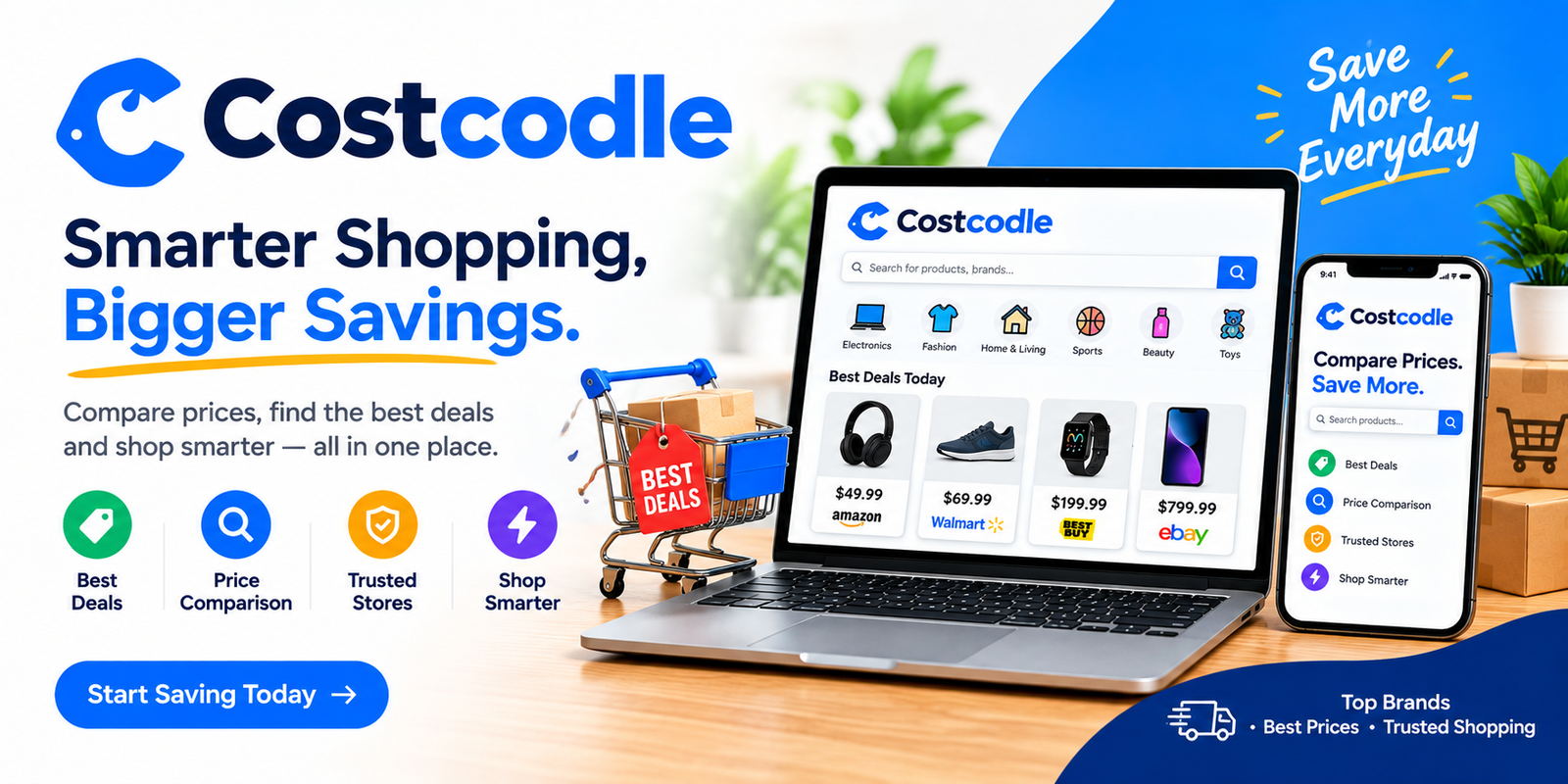
Costcodle shopping has changed the way people discover products, compare prices, and decide what to buy. From electronics and fashion to home essentials and everyday accessories, shoppers can now explore thousands of options without leaving their homes. However, having so many choices can also make shopping confusing. Different retailers offer different prices, promotions, delivery options, and product specifications, making it difficult to determine which deal genuinely offers the best value. This is where the concept of Costcodle becomes interesting.
Costcodle can be explored as a modern shopping and price-comparison concept focused on helping consumers make more informed purchasing decisions. The name naturally brings to mind affordability, convenience, and smarter ways to shop. For consumers who want to stretch their budgets without compromising on quality, a platform built around these principles could make the entire shopping experience easier and more organized.
As online retail continues to grow, shoppers increasingly expect more than a simple product listing. They want useful information, transparent pricing, reliable retailers, and a convenient way to compare alternatives. Understanding the potential role of Costcodle means looking at these expectations and examining how price comparison, product discovery, and informed decision-making can work together to improve the way people shop online.
What Is Costcodle?
Costcodle can be understood as a shopping-focused concept associated with comparing costs, discovering deals, and making practical purchasing decisions. Rather than approaching online shopping as a process of selecting the first attractive product, the idea emphasizes evaluating available options before spending money. This approach is particularly valuable when several retailers sell similar products at different prices.
The exact features of Costcodle depend on the specific website, service, or business operating under that name. Without verified information about its official services, it would be inaccurate to claim that it currently provides particular tools, retailer integrations, or guaranteed savings. Nevertheless, its name offers a useful starting point for discussing the broader principles of cost-conscious shopping and digital price discovery.
At its core, the Costcodle concept reflects a simple principle: a better purchasing decision begins with better information. When consumers can understand the differences between products, compare total costs, and evaluate seller reliability, they are better positioned to choose an option that suits their needs. This makes price awareness and informed shopping important considerations for anyone interested in getting more value from online purchases.
Why Price Comparison Matters in Online Shopping
Price comparison is one of the most practical habits an online shopper can develop. Two retailers may offer the same model of headphones, laptop, kitchen appliance, or fitness accessory at noticeably different prices. Checking several listings before purchasing can reveal these differences and help consumers avoid paying more than necessary for an equivalent product.
However, the lowest displayed price does not always represent the best deal. Shipping charges, taxes, payment fees, return policies, and warranty coverage can change the final cost considerably. A product advertised at a lower price may become more expensive after delivery charges are added, while a slightly more expensive listing might include free shipping or a better warranty.
A Costcodle-inspired shopping approach encourages consumers to look beyond the headline price. Comparing the complete cost, checking product specifications, and reviewing seller conditions creates a more realistic picture of value. Over time, these habits can help shoppers make confident decisions while reducing unnecessary spending and the frustration of discovering a better offer after completing a purchase.
Key Benefits of a Costcodle-Inspired Shopping Experience
One potential benefit of a shopping experience built around the Costcodle concept is convenience. Instead of opening numerous retailer websites and manually searching for the same item repeatedly, consumers benefit from having relevant product information presented in a clear, organized format. A well-designed comparison experience can reduce the time spent researching routine purchases.
Another important advantage is improved price awareness. Regularly comparing similar products helps shoppers recognize reasonable price ranges and identify offers that deserve closer attention. This is especially useful for purchases involving electronics, household appliances, furniture, and other items where differences in features can significantly influence the price.
A third benefit is better purchasing discipline. Online stores often use countdown timers, promotional banners, limited-time offers, and personalized recommendations to encourage quick decisions. A comparison-focused mindset gives shoppers a reason to pause and evaluate whether an item is genuinely useful and appropriately priced. The result is a more deliberate shopping process in which value matters more than excitement alone.
How Costcodle Can Help Shoppers Find Better Deals
Finding a worthwhile deal starts with identifying the product that actually meets a shopper’s requirements. For example, someone looking for a laptop should first determine the intended use, preferred screen size, performance needs, storage capacity, and approximate budget. Once these requirements are clear, comparing relevant products becomes much easier than browsing unrelated promotional listings.
The next step is to examine prices across available retailers. A useful comparison should account for the exact product model, configuration, condition, seller reputation, and delivery terms. Even small differences in model numbers can indicate meaningful changes in memory, storage, included accessories, or warranty coverage. Comparing genuinely equivalent products helps prevent misleading conclusions.
Finally, shoppers should evaluate whether an offer provides real savings. A large discount percentage may look attractive, but the original price might not reflect the product’s usual market value. Checking prices from multiple sellers and considering recent price history, when reliable information is available, can provide useful context. A Costcodle-style approach is most valuable when it supports this complete decision-making process rather than focusing exclusively on promotional prices.
Essential Features of an Effective Price Comparison Platform
An effective price comparison platform should make product research straightforward. A clear search function, relevant categories, useful filters, and readable product listings allow consumers to narrow down their choices without unnecessary effort. Filters for price range, brand, specifications, availability, and customer ratings can be particularly helpful when searching through large product catalogs.
Accurate and timely pricing information is equally important. Online prices can change because of promotions, stock availability, regional differences, and retailer policies. If a comparison page displays outdated prices, shoppers may waste time following offers that are no longer available. A trustworthy service should communicate when prices were last updated and direct users to the retailer to confirm the final amount before checkout.
Transparency is another essential feature. Consumers should be able to understand whether listings are sponsored, whether a retailer pays referral commissions, and whether the displayed price includes delivery charges. Clear disclosures help shoppers distinguish commercial promotions from neutral product information. For a Costcodle-oriented experience, these principles would support credibility and make it easier for users to decide which listings deserve their attention.
Costcodle and Different Product Categories
Electronics are a natural area for price comparison because similar-looking products can have substantially different specifications. Smartphones, laptops, televisions, headphones, and smartwatches often come in several versions, with differences in storage, processing power, display quality, connectivity, and included accessories. Comparing these details alongside the price can help shoppers avoid paying for unnecessary features or choosing a model that does not meet their requirements.
Home and lifestyle products also benefit from a structured comparison process. Furniture, cookware, cleaning equipment, lighting, and small appliances can vary in materials, dimensions, energy consumption, durability, and warranty coverage. A lower initial price may not always be the most economical choice if the product is less durable or costs more to operate over time. Looking at long-term value gives shoppers a broader understanding of affordability.
Fashion, beauty accessories, sports equipment, and everyday essentials present different comparison challenges. Size, material, authenticity, compatibility, and return conditions can matter as much as price. For these categories, a sensible shopping strategy combines price awareness with careful attention to product descriptions and seller policies. The Costcodle concept can be applied across these categories by emphasizing relevant information instead of treating every purchase as a simple search for the cheapest listing.
How to Use Costcodle Principles to Save Money
The first step toward smarter shopping is setting a realistic budget before browsing. A budget creates a clear spending limit and helps narrow the available choices. It also reduces the temptation to upgrade unnecessarily when retailers promote premium products that offer features the shopper may never use.
The second step is to create a shortlist of suitable options. Rather than comparing dozens of unrelated products, identify a few alternatives that meet the essential requirements. Compare their final prices, specifications, warranty coverage, delivery times, and return policies. This approach makes the differences easier to understand and prevents small price variations from distracting attention from more important considerations.
The third step is to recognize when a purchase can wait. Some products receive seasonal discounts, while others become cheaper when newer models are introduced. If the item is not urgently needed, checking prices over time may reveal a more attractive opportunity. Nevertheless, waiting is not always necessary, and a discount should never become a reason to purchase something that was not needed in the first place. Cost-conscious shopping works best when savings support a genuine requirement rather than encourage additional spending.
The Importance of Trust and Security in Online Shopping
A low price has limited value if the retailer cannot deliver the product reliably. Before purchasing, shoppers should review the seller’s identity, contact information, customer feedback, shipping policies, and return conditions. Independent reviews can provide useful clues, although individual comments should be considered carefully because experiences vary and some reviews may be misleading.
Payment security deserves the same attention. Consumers should use reputable payment methods, check that they are interacting with the legitimate retailer website, and avoid sharing unnecessary personal information. Unexpected payment requests, suspicious links, unrealistic discounts, and pressure to complete a transaction immediately can indicate potential problems. Taking a few extra minutes to verify a seller is often worth the effort.
A price comparison service should also be evaluated on its own merits. Users should check how it explains its business model, handles personal information, identifies participating retailers, and presents sponsored listings. These checks are relevant to any shopping service, including one operating under the Costcodle name. Until its specific policies and features have been independently verified, shoppers should avoid assuming that every listing or recommendation carries a particular guarantee.
Costcodle and the Future of Digital Shopping
Digital shopping is becoming increasingly data-driven. Retailers already use recommendation systems, search algorithms, and personalized promotions to help customers discover products. Comparison-oriented services can build on these developments by organizing information in ways that make purchasing decisions clearer and more efficient.
Artificial intelligence may further improve product discovery by interpreting natural-language searches, identifying comparable specifications, and helping consumers explain what they need. For example, a shopper might describe a requirement such as a lightweight laptop for university work within a fixed budget. A capable comparison tool could potentially organize suitable alternatives according to relevant features instead of requiring the shopper to understand every technical specification in advance.
Price tracking and alerts may also become more useful as shopping tools develop. Consumers could benefit from notifications when a selected product reaches a target price or becomes available from a preferred retailer. However, such capabilities depend on the actual services offered by a platform. These are potential directions for modern price comparison experiences, not confirmed features of Costcodle. Their long-term value will depend on accuracy, privacy protection, transparency, and ease of use.
Challenges That Price Comparison Services Must Address
One major challenge is maintaining accurate product information across multiple retailers. Product catalogs change frequently, and the same item may appear under different names or model descriptions. A comparison system that matches products incorrectly could recommend an unsuitable alternative or display misleading price differences. Reliable product identification is therefore essential.
Another challenge involves balancing convenience with completeness. A platform may show only selected retailers, particular product categories, or limited regional offers. Shoppers who assume that a comparison result includes every available option could miss better deals elsewhere. Clear explanations of coverage and limitations help users interpret results realistically.
There is also the challenge of maintaining user trust. Advertising relationships and referral commissions can influence how shopping platforms earn revenue. These arrangements are not necessarily harmful, but undisclosed commercial incentives can make recommendations harder to evaluate. Transparent ranking criteria, visible sponsorship labels, and accurate price information are important safeguards. Addressing these challenges would help any Costcodle-related service provide a more dependable shopping experience.
Practical Tips for Getting the Most from Costcodle
Start every shopping search with a clear understanding of your needs. Write down the essential features, acceptable price range, and any requirements related to size, compatibility, delivery, or warranty. This simple preparation helps you filter out unsuitable products before investing time in detailed comparisons.
Next, compare the complete purchase rather than the advertised price alone. Check shipping charges, taxes, payment conditions, expected delivery dates, and the cost of any necessary accessories. For products that consume electricity or require replacement parts, consider ongoing expenses as well. A slightly higher upfront price may be reasonable when the product offers better durability, efficiency, or support.
Finally, take a moment to verify the final offer directly with the retailer. Confirm that the product is in stock, the model number matches, and the listed price remains valid. Read the return policy before completing the transaction and keep your order confirmation for future reference. These practical habits are useful whether Costcodle provides a dedicated comparison tool or you apply the same principles while shopping across multiple websites.
Who Can Benefit from the Costcodle Concept?
Budget-conscious households can benefit from comparing everyday purchases because even modest savings may become meaningful across a year of shopping. Comparing prices for kitchen appliances, household supplies, electronics, and other regular expenses can help families make better use of their available budgets without automatically choosing the lowest-quality option.
Students and young professionals may also appreciate a structured shopping approach. When purchasing a laptop, smartphone, study accessories, or home essentials, they often need to balance limited budgets with practical requirements. Comparing specifications and total costs makes it easier to identify products that provide the necessary functionality without unnecessary extras.
Small businesses and independent professionals can benefit from similar habits when purchasing office equipment, computer accessories, tools, and supplies. Comparing products across multiple sellers may help control operating expenses and support more consistent purchasing decisions. The degree of benefit depends on the products being purchased and the quality of the available information, but the underlying principle remains the same: informed decisions are generally stronger than decisions based on price alone.
Conclusion:
Costcodle represents an opportunity to think more carefully about the relationship between online shopping, price comparison, and everyday savings. Its name suggests a practical focus on cost-conscious purchasing, making it a useful concept through which to explore how consumers can compare alternatives, understand product value, and spend with greater confidence. However, its exact identity, ownership, and current features should be verified through reliable official sources before making specific claims about the service.
The broader lessons are straightforward. Compare equivalent products, evaluate the complete purchase price, research retailers, read relevant policies, and avoid letting promotional pressure determine what you buy. These habits can make online shopping more organized and help reduce avoidable expenses, regardless of which websites or tools you use.
Ultimately, smarter shopping is not simply about finding the smallest number on a product page. It is about finding the right product at a reasonable total cost from a seller you can trust. Whether Costcodle develops into a dedicated shopping resource or serves as a starting point for thinking about price comparison, this principle remains central to getting better value from the modern online marketplace.
(FAQs)
What is Costcodle?
Costcodle is a name associated with the idea of smarter shopping, price comparison, and finding better value when purchasing products online. Its exact services and features should be verified through official sources.
How can Costcodle help online shoppers?
A Costcodle-focused shopping approach can help consumers compare product prices, review available options, and make informed purchasing decisions before spending money.
Is Costcodle useful for finding better deals?
Price comparison can help shoppers identify competitive offers. However, the final value depends on shipping fees, product quality, warranty coverage, and retailer reliability.
Can Costcodle help compare different products?
Product comparison is a useful way to evaluate specifications, features, and prices. Whether Costcodle offers a dedicated comparison tool depends on its verified features.
Is Costcodle suitable for budget-conscious shoppers?
The concept is relevant to budget-conscious shoppers who want to manage expenses, compare alternatives, and avoid unnecessary purchases.
Which products can shoppers compare using Costcodle?
Common product categories for price comparison include electronics, home appliances, fashion, furniture, accessories, and everyday essentials. Actual category availability depends on the service.
Is Costcodle safe to use?
Users should verify the official website, review its privacy policy, and check retailer credentials before sharing personal information or making purchases. Its specific security measures should be confirmed independently.