






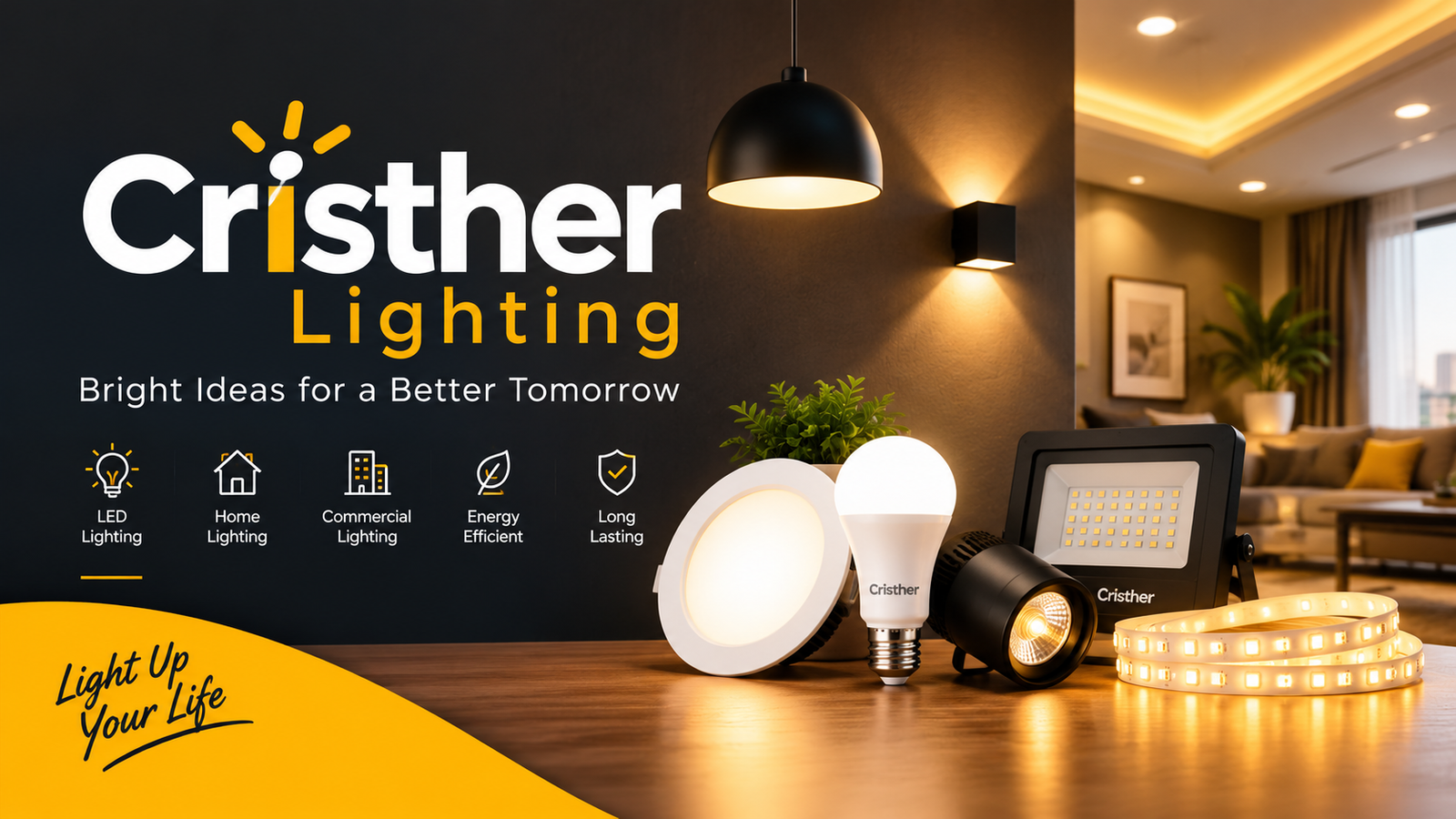
Cristher Lighting has the power to completely transform a space. A beautifully designed building can look ordinary with poor lighting, while thoughtfully positioned lights can make even a simple outdoor area feel elegant and welcoming. Whether you are designing a modern home, upgrading a commercial property, or creating an inviting garden, choosing the right lighting fixtures makes a noticeable difference.
Cristher Lighting is associated with architectural and outdoor lighting solutions that combine attractive designs with practical functionality. The brand has developed a presence in the lighting industry through products intended for residential, commercial, and architectural applications. Its product ranges include wall-mounted fixtures, recessed lighting, garden lights, bollards, and other solutions that help designers create comfortable and visually appealing environments.
Understanding architectural lighting is about more than comparing prices or selecting attractive fixtures. You also need to consider brightness, energy efficiency, durability, installation requirements, and long-term maintenance. This guide explores Cristher’s lighting range, its design applications, and the important factors worth considering before planning your next lighting project.
What Is Cristher Lighting?
Cristher is a Cristher Lighting brand associated with the Spanish Novolux group, which offers lighting products for architectural and residential applications. Industry catalogues describe Cristher as a brand established in 1981, with a particular focus on technical and architectural outdoor illumination. Its products are intended to help professionals and property owners illuminate buildings, gardens, pathways, and other spaces effectively.
Unlike lighting collections that focus primarily on decorative appearance, Cristher’s range includes fixtures designed for specific architectural purposes. For example, a recessed ground light can highlight a building’s façade, while a bollard can improve visibility along a garden pathway. These applications require different beam angles, installation methods, materials, and levels of protection against environmental conditions.
One of the appealing aspects of Cristher’s product offering is its variety. Historical and contemporary catalogues feature different fixture types, finishes, lighting technologies, and installation options. This gives architects, landscape designers, electrical contractors, and homeowners flexibility when creating lighting arrangements that complement the surrounding architecture.
The History and Development of Cristher Lighting
Cristher’s history reflects the broader development of architectural Cristher Lighting in Europe. According to lighting distributors, the brand originated in 1981 and became associated with lighting products for residential and outdoor environments. Over time, its catalogue expanded to cover a wider selection of technical fixtures, architectural designs, and decorative options.
The lighting industry has changed significantly since the early 1980s. Traditional lighting technologies were gradually supplemented and replaced by more energy-efficient solutions, particularly LEDs. These developments made it possible to create smaller fixtures, improve lighting control, and achieve useful brightness while consuming less electricity. Cristher’s catalogues document its participation in this shift through LED-based products and technical lighting collections.
Its relationship with the Novolux group also helps explain the diversity of the brand’s offering. Novolux has marketed different lighting brands serving complementary applications, including exterior and interior illumination. Cristher’s role within this wider portfolio has traditionally emphasized outdoor architectural lighting, although the exact product selection varies by catalogue and market.
Different Types of Cristher Lighting Products
One reason architectural Cristher Lighting can feel complicated is that there are so many fixture types available. Each type serves a particular purpose, and choosing the right one requires understanding how light interacts with walls, surfaces, objects, and outdoor spaces. Cristher’s product catalogues include several categories designed to address these different requirements.
Wall-mounted lights are among the most recognizable options. They can be installed around entrances, balconies, terraces, and building exteriors to provide illumination without occupying floor space. Some designs direct light downward for practical visibility, while others distribute light upward and downward to create attractive architectural effects. Choosing the correct distribution can significantly influence the atmosphere of an exterior wall.
Recessed lights, garden projectors, bollards, and decorative fixtures provide additional design possibilities. Recessed luminaires can blend into ceilings, walls, or suitable ground installations. Garden projectors can emphasize trees and architectural details, while bollards illuminate pathways at a relatively low height. The best approach is not necessarily to use every fixture type, but to select a balanced combination that serves the property’s actual needs.
Why Cristher Lighting Is Relevant to Modern Architecture
Modern architecture frequently emphasizes simple shapes, clean surfaces, open spaces, and carefully selected materials. Cristher Lighting should support these characteristics rather than compete with them. Architectural fixtures with restrained designs can integrate naturally into contemporary surroundings while producing visually interesting effects after sunset.
Cristher’s architectural lighting categories are suited to this design approach because they include compact, surface-mounted, recessed, and landscape-oriented solutions. A carefully positioned fixture can emphasize the texture of a stone wall, highlight a building entrance, or create visual depth around a terrace. These effects allow lighting to become an intentional architectural element rather than merely an afterthought.
Another consideration is the relationship between appearance and functionality. An attractive outdoor installation still needs sufficient visibility for walking, entering buildings, and using shared spaces. Designers therefore need to balance aesthetics with practical illumination. Well-planned architectural lighting can improve visual comfort while preserving the building’s original character.
Outdoor Cristher Lighting Solutions for Homes and Gardens
Outdoor Cristher Lighting plays an important role in making residential spaces functional after dark. Gardens, patios, driveways, and entrances often become more inviting when illuminated correctly. Instead of relying on one extremely bright fixture, a thoughtful arrangement of smaller light sources can produce a more comfortable and attractive environment.
For gardens, directional lighting is particularly useful. Projectors and suitable ground-mounted fixtures can draw attention to selected plants, trees, stone features, or architectural details. The goal is usually to create depth and contrast rather than illuminate every corner equally. Careful positioning also helps reduce glare and prevents unwanted light from entering neighboring properties.
Pathway lighting requires a slightly different approach. Low-level bollards and appropriately installed wall lights can make routes easier to follow while maintaining a welcoming appearance. When selecting outdoor Cristher fixtures, buyers should check the product’s ingress protection rating, construction materials, installation instructions, and suitability for the intended exposure conditions. A sheltered terrace and an exposed coastal garden may require very different specifications.
How LED Technology Improves Architectural Cristher Lighting
LED technology has transformed architectural illumination by offering an efficient alternative to many older Cristher Lighting systems. LEDs can produce useful amounts of light with relatively low electricity consumption, depending on the product’s efficiency and operating conditions. They also offer design flexibility because their compact size allows manufacturers to create fixtures that would be difficult to produce with larger traditional lamps.
Another advantage is the ability to select different color temperatures and optical characteristics. Warm white lighting, often around 2700K to 3000K, can create a relaxed and welcoming atmosphere. Neutral white lighting may be more appropriate in areas where clearer task visibility is important. However, available color temperatures depend on the particular Cristher product, so specifications should always be checked before purchasing.
LED performance is not determined by the light source alone. Heat management, drivers, electrical protection, and fixture construction also influence durability and performance. A well-designed LED luminaire should manage operating temperatures effectively while maintaining stable illumination. This is especially important outdoors, where temperature variations, moisture, and environmental exposure can place additional demands on electrical components.
Cristher Lighting for Commercial Properties
Commercial Cristher Lighting needs to do more than make a building visible. It contributes to the overall visitor experience, helps people navigate unfamiliar spaces, and can reinforce a property’s architectural identity. Hotels, restaurants, offices, and retail establishments frequently use architectural illumination to create an attractive first impression.
For example, a restaurant with an outdoor seating area might benefit from warm wall lighting combined with carefully directed landscape illumination. The wall fixtures provide general visibility, while accent lights highlight surrounding plants or decorative features. This combination can create an inviting atmosphere without making the outdoor dining area excessively bright.
Commercial projects also require attention to maintenance and operational costs. Fixtures may operate for several hours every evening, so energy consumption, accessibility, replacement parts, and serviceability become important considerations. Designers reviewing Cristher products for commercial use should examine the latest technical documentation and confirm that the chosen models meet the project’s electrical and environmental requirements.
Materials, Durability, and Weather Resistance
Material selection is particularly important for outdoor Cristher Lighting because fixtures are exposed to conditions that interior products rarely encounter. Rain, humidity, sunlight, dust, and temperature changes can affect the appearance and performance of poorly protected equipment. Choosing suitable construction materials is therefore essential for maintaining a lighting installation over time.
Cristher’s historical product ranges have included fixtures manufactured with materials such as aluminum, steel, polymers, glass, and natural stone. Different materials provide different aesthetic and practical characteristics. Aluminum is commonly used because it is lightweight and suitable for a variety of fixture designs, while glass and other diffuser materials help control and distribute emitted light.
Weather resistance must be evaluated using individual product specifications rather than assumptions about the brand. The IP rating indicates protection against dust and water ingress, but it does not automatically describe resistance to corrosion, impact, or prolonged ultraviolet exposure. For exposed installations, buyers should also consider coatings, seals, drainage, local climate, and manufacturer installation guidance.
How to Choose the Right Cristher Lighting Fixtures
Selecting the right Cristher Lighting starts with understanding the space and what you want to achieve. A garden pathway has different needs from a dramatic building façade, and a compact residential balcony requires a different approach from a large commercial courtyard. Identifying the intended purpose helps narrow the available fixture options before considering decorative preferences.
Brightness is another important factor. Lumens indicate the amount of visible light produced, while beam angle determines how that light is distributed. A narrow beam can emphasize a column, tree, or specific architectural feature, whereas a wider beam may be better suited to general illumination. Fixture placement also affects the final result, so lighting layouts should consider mounting height, distances, and the surfaces being illuminated.
Budget planning should include more than the purchase price. Installation labor, cabling, transformers or drivers where required, controls, and future maintenance can all affect the overall cost. Comparing complete project requirements is more useful than choosing a fixture based on appearance alone. It is also worth confirming product availability, warranty conditions, and whether compatible replacement components can be obtained.
Installation Tips for Better Cristher Lighting Performance
Even an excellent Cristher Lighting fixture can produce disappointing results if it is installed incorrectly. Positioning influences glare, shadows, brightness, and the way architectural surfaces appear at night. Before installing multiple fixtures, it is helpful to review the lighting layout and understand how each product will contribute to the final design.
For exterior wall lighting, mounting height and direction deserve particular attention. Lights installed too high or aimed incorrectly may create uncomfortable glare or illuminate areas that do not need additional brightness. Ground-mounted fixtures require suitable drainage and installation arrangements, especially where rainwater or cleaning water may collect. Manufacturers’ instructions should determine the correct mounting methods and environmental limitations.
Electrical installation should be performed by a qualified professional in accordance with applicable regulations. Outdoor installations may require appropriate circuit protection, weather-resistant connections, earthing arrangements, and compatible control equipment. Following product documentation and local electrical requirements improves safety and helps prevent avoidable failures after installation.
Common Cristher Lighting Design Mistakes to Avoid
One common mistake is assuming that more light automatically creates a better environment. Excessive brightness can flatten architectural details, increase glare, and make outdoor areas feel uncomfortable. In many settings, carefully selected accent Cristher Lighting produces a more attractive result than flooding the entire property with uniform illumination.
Another mistake is mixing color temperatures without a deliberate design plan. For instance, warm pathway lights positioned beside extremely cool white wall fixtures may create a visually inconsistent atmosphere. Although contrasting tones can work in certain designs, the combination should feel intentional. Using a coherent color-temperature strategy often makes the overall lighting scheme look more polished.
Poor maintenance planning can also become a problem. Fixtures installed in difficult-to-reach locations may be inconvenient to clean, inspect, or repair. This matters particularly in commercial properties and large gardens. A practical design should consider access to electrical components, suitable mounting arrangements, and the availability of replacement equipment before installation begins.Cristher Lighting
Maintenance and Long-Term Care of Outdoor Cristher Lighting
Outdoor Cristher Lighting benefits from regular inspection, even when it uses long-lasting LED technology. Dust, leaves, insects, and mineral deposits can accumulate on lenses and diffusers, potentially reducing the amount of useful light reaching the intended surface. Gentle cleaning according to manufacturer instructions helps preserve appearance and performance.
Electrical components and mounting points should also be checked periodically by a competent person. Loose fixtures, damaged seals, corrosion, and moisture intrusion can develop over time, especially in exposed locations. Detecting these issues early can prevent more significant deterioration and reduce the likelihood of unexpected lighting failures.
Maintenance frequency depends on the installation environment. A sheltered residential entrance may require less attention than a fixture positioned near irrigation systems, coastal salt spray, or heavy pedestrian activity. Keeping product documentation and installation records can make future servicing easier, particularly when a lighting project contains several different fixture models.
Is Cristher Lighting Worth Considering?
Cristher is worth exploring for projects that require architectural or outdoor lighting rather than basic decorative lamps alone. Its established product history and varied catalogue categories make it relevant to designers looking for wall fixtures, landscape Cristher Lighting , recessed solutions, and other specialized applications.
That does not mean every Cristher product will suit every property. The quality of the outcome depends on choosing a suitable model, examining technical specifications, and installing it correctly. The availability of individual products, their efficiency, material finishes, and warranty coverage should be verified through current supplier information instead of relying solely on older catalogues.
For homeowners, the main value lies in finding lighting that complements the property and performs reliably in its intended environment. For architects and contractors, the ability to compare different fixture configurations may be particularly useful. Ultimately, a lighting system should be evaluated according to design suitability, functional performance, installation requirements, and overall ownership cost.
Future Trends in Architectural and Outdoor Lighting
Architectural Cristher Lighting continues to evolve as designers place greater emphasis on energy efficiency, visual comfort, and environmental responsibility. LED systems have already changed how buildings and landscapes can be illuminated, and future improvements are likely to focus on more precise light control, adaptable designs, and efficient operation.
Smart controls represent another important development. Timers, occupancy sensors, dimming systems, and compatible automated controls can help reduce unnecessary electricity consumption. These technologies allow lighting to respond to how a space is actually used. However, compatibility varies between fixtures and control systems, so smart functionality should never be assumed without reviewing product specifications.
Environmental considerations are also becoming increasingly important. Excessive outdoor illumination can disturb nearby residents and contribute to light pollution. Modern lighting plans increasingly favor appropriate brightness, controlled beam distribution, warmer color temperatures where suitable, and reduced operating hours. These principles help create attractive spaces while limiting unnecessary light spill.
Conclusion
Cristher Lighting represents an established approach to architectural illumination, with product categories designed for outdoor spaces, residential buildings, gardens, and commercial environments. Its connection with the Novolux group and its history in technical lighting make it a relevant name for anyone exploring specialized fixtures beyond ordinary household lighting.
The most important lesson when planning a lighting project is that successful illumination requires more than attractive equipment. Brightness, color temperature, materials, weather resistance, positioning, and installation quality all contribute to the final outcome. Understanding these factors helps property owners and professionals make more informed decisions.
Whether the goal is to highlight a contemporary building, improve the appearance of a garden, or create a welcoming commercial entrance, Cristher’s lighting range offers categories worth investigating. By checking current product specifications and developing a thoughtful lighting plan, it is possible to create an environment that remains visually appealing, practical, and comfortable after sunset.
FUQS
What is Cristher Lighting known for?
Cristher is known for architectural and outdoor lighting products, including wall fixtures, recessed lights, garden projectors, and bollards. The brand is associated with the Spanish Novolux group.
Is Cristher Lighting suitable for outdoor use?
Yes, Cristher has offered a wide range of outdoor lighting products. However, each fixture’s IP rating and environmental specifications should be checked to confirm its suitability for a particular location.
Does Cristher offer LED lighting products?
Yes, Cristher catalogues include LED-based lighting solutions. Available technologies, power ratings, and technical features depend on the specific product model.
Can Cristher lights be used for commercial buildings?
Cristher’s architectural lighting categories can be considered for applications such as hotels, restaurants, retail properties, and commercial building exteriors. The final selection should reflect the project’s design and technical requirements.
How can I choose the best Cristher lighting fixture?
Start by identifying the installation area, required brightness, preferred lighting effect, and environmental conditions. Then compare relevant product specifications, installation requirements, and maintenance considerations.
Are Cristher lighting fixtures energy-efficient?
Many LED-based fixtures can provide energy-efficient illumination, but actual efficiency varies between models. Comparing lumens, wattage, controls, and expected operating hours gives a more reliable picture of energy performance.
Where can I find Cristher Lighting products?
Cristher products and catalogues may be available through architectural lighting distributors and electrical suppliers. Checking with an authorized supplier or the Novolux group is a practical way to confirm current availability and product specifications.