






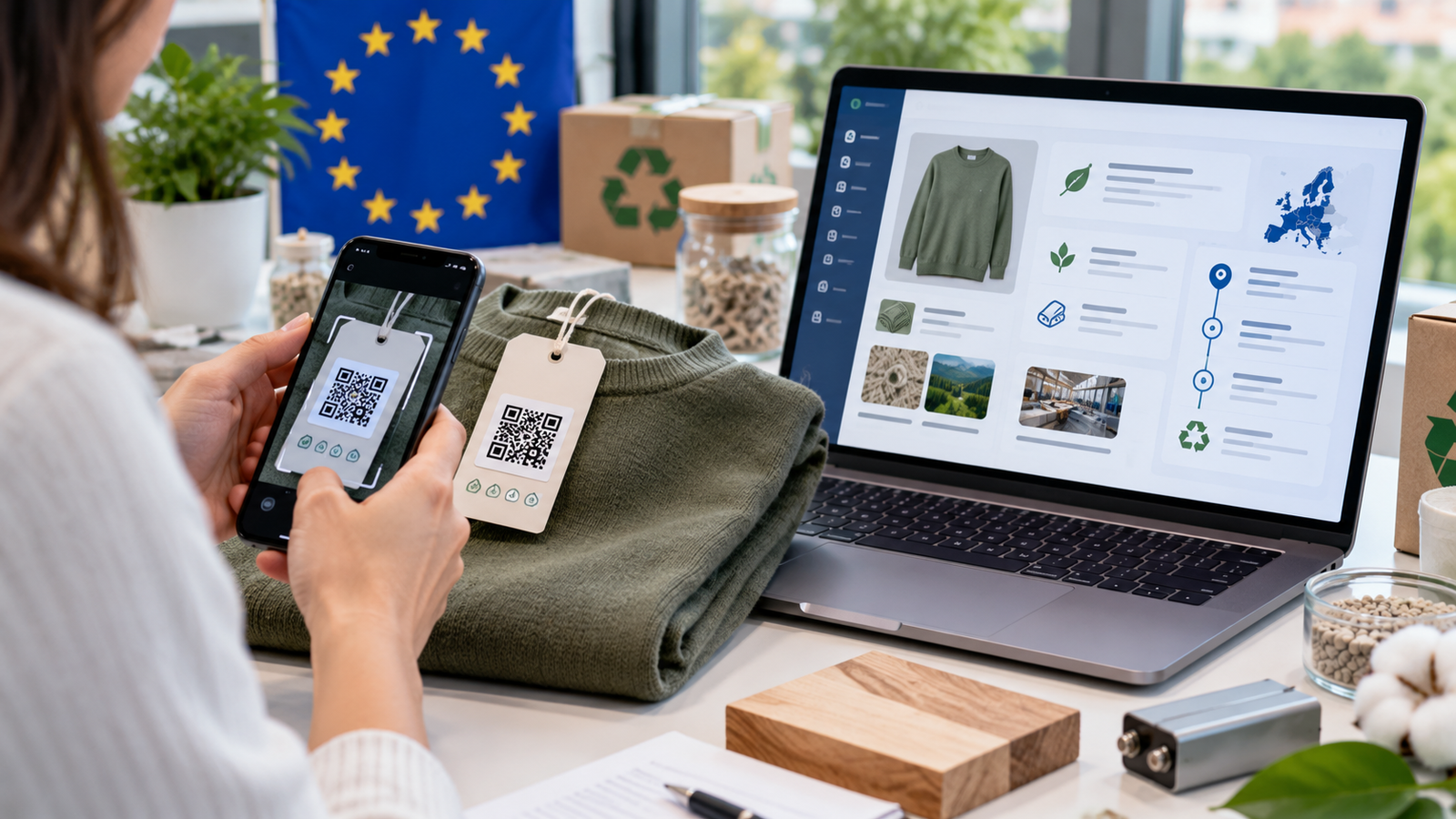
Labeleu is attracting attention as businesses across Europe explore smarter ways to manage product information, digital labeling, and sustainability requirements. With European regulations increasingly emphasizing product transparency, companies are looking for practical solutions that make compliance easier without creating unnecessary administrative work.
The name is associated with LabelEU, a digital product passport platform designed to help businesses organize important product details. From manufacturing information to environmental data, the platform aims to connect physical products with accessible digital records through QR codes and structured information.
But what exactly is Labeleu, how does it work, and why might businesses find it useful? This comprehensive guide explores its features, benefits, regulatory background, limitations, and potential role in the future of product transparency.
What Is Labeleu?
Labeleu, commonly styled as LabelEU in the context of digital compliance software, is an online platform that helps businesses create and manage Digital Product Passports (DPPs). These passports provide organized information about products, including their materials, origin, environmental characteristics, and relevant documentation.
The platform focuses on simplifying a process that can otherwise become complicated for manufacturers, suppliers, and retailers. Instead of keeping product information scattered across spreadsheets, documents, and separate databases, businesses can organize relevant details into structured digital records.
According to its official website, LabelEU offers tools for creating product passports, generating QR codes, and designing product labels. Its services are intended to support preparation for European regulatory requirements, although using the software alone does not establish legal compliance.
Understanding the Purpose Behind Labeleu
The main purpose of Labeleu is to make product information easier to organize, access, and maintain. Modern supply chains often involve several manufacturers, suppliers, distributors, and retailers. Managing information across these participants can become difficult without a consistent system.
A digital product passport provides a more structured approach. It connects important information to a product through a digital identifier, allowing authorized users and, where appropriate, customers to access relevant details. Depending on the product and applicable regulations, this may include manufacturing information, material composition, and recycling instructions.
The broader objective is to improve transparency throughout a product’s lifecycle. When information is recorded accurately and maintained properly, businesses can better understand their products, support compliance activities, and provide clearer information to customers.
How Does Labeleu Work?
Labeleu operates through a digital workflow that begins with product information. Businesses enter relevant details into the platform, such as product names, identification numbers, materials, origin, and environmental characteristics. The information can then be organized into a digital passport.
Once the record is prepared, the system can generate a dedicated digital page associated with the product. A QR code can connect the physical item or its packaging to that page, allowing people to access information without searching through printed documents.
The platform also describes features for creating branded labels and importing information from external sources. Its website mentions CSV, Excel, and Shopify imports, along with a label designer and print-ready PDF exports. The availability of particular functions may depend on the account and the platform’s current commercial status.
Key Features of Labeleu
One of the platform’s central features is Digital Product Passport creation. Businesses can enter structured product information and organize it into records intended to support transparency and relevant regulatory obligations. This is particularly useful for companies preparing large amounts of documentation.
Another important feature is QR code integration. Instead of printing extensive product details on packaging, companies can provide a digital destination that contains additional information. This approach may help businesses keep labels readable while allowing users to access more comprehensive product records.
Labeleu also promotes product label customization, reusable templates, bulk data imports, and team collaboration. Its published feature list includes role-based access for team members and REST API functionality. Together, these capabilities are intended to reduce repeated administrative work and improve product data management.
Labeleu and Digital Product Passports Explained
A Digital Product Passport is an electronic record containing information associated with a particular product. Its exact structure and required contents depend on the relevant legal framework and product category. Not every passport needs to contain identical information.
For example, a product passport may include identification details, material composition, environmental characteristics, instructions for repair, or information about responsible recycling. Some information can be accessible to consumers, while other information may be restricted to authorized parties.
Digital Product Passports are becoming increasingly important within European sustainability policy. They are intended to support better access to product data, encourage circular economic practices, and improve transparency. However, the legal requirements are being introduced through different regulations and product-specific measures rather than one universal deadline.
Labeleu and EU Sustainability Regulations
A major regulatory framework relevant to Labeleu is the European Union’s Ecodesign for Sustainable Products Regulation, commonly called ESPR. Regulation (EU) 2024/1781 establishes a framework for introducing sustainability-related requirements across a broad range of physical products.
The ESPR includes provisions for Digital Product Passports, but it does not automatically require every product sold in Europe to have one. Specific requirements must be established through applicable product-category measures. Businesses therefore need to identify which rules apply to their own products instead of assuming every category follows the same schedule.
Battery passports provide an important example of a binding future requirement. Under Article 77 of Regulation (EU) 2023/1542, electric vehicle batteries, light means of transport batteries, and industrial batteries above 2 kWh must have battery passports from February 18, 2027. This deadline illustrates why companies should begin preparing reliable product information before regulatory obligations become applicable.
Benefits of Using Labeleu for Businesses
One potential advantage of Labeleu is better product data organization. Businesses managing several products may otherwise store information in different spreadsheets, folders, and software systems. A centralized platform can make relevant records easier to locate, review, and update.
Another benefit is the possibility of reducing repetitive work. When product details follow a consistent format, teams may spend less time preparing separate documents for different stakeholders. Import tools and reusable label templates can further simplify routine administrative tasks.
The platform may also help companies prepare for evolving European requirements. Although software cannot replace legal analysis or guarantee compliance, having reliable and structured product information can make future reporting and documentation tasks easier to manage.
Who Can Benefit From Labeleu?
Manufacturers are among the businesses that may find Digital Product Passport tools useful. They often need to maintain detailed records about materials, production processes, product identifiers, and relevant technical characteristics. Organizing these details can support internal operations and regulatory preparation.
Retailers and product brands may also benefit from providing accessible product information. For example, a business selling clothing or household goods could use digital records to explain material composition, product care, and recycling guidance. Whether a particular record meets legal requirements depends on the applicable rules.
Importers, distributors, and smaller businesses may find such platforms valuable as well. However, suitability depends on product categories, data volumes, existing systems, and whether the provider’s tools support the company’s specific obligations. Businesses should evaluate those requirements before adopting any platform.
Labeleu Pricing and Availability
Labeleu’s official pricing information describes a proposed credit-based system for publishing Digital Product Passports. Under this model, businesses would purchase credits corresponding to the number of product passports they need rather than subscribing to a conventional monthly service.
As of October 2026, the platform lists proposed packages of €50 for five passports, €199 for 25 passports, and €699 for 100 passports. However, the official pricing page explicitly states that these packages are not currently available for purchase. These figures should therefore be treated as indicative prices rather than active commercial offers.
The website also describes a free option allowing users to create three draft passports and explore editing tools. Publishing and associated QR code functionality require passport credits, which are not currently being sold. Interested businesses can use the demo or join the platform’s interest list to follow future availability.
Is Labeleu Safe and Legitimate?
Determining whether an online platform is trustworthy requires more than simply reviewing its website. Businesses should consider its legal identity, published policies, contact information, security practices, reliability, and the extent to which its advertised functionality has been independently tested.
LabelEU publishes a privacy policy and describes its approach to EU-based hosting and data protection. These are useful sources of information, but published statements should not be treated as independent verification of every security or compliance claim. Companies handling confidential information should perform appropriate checks before uploading sensitive product records.
It is also important to distinguish the current LabelEU platform at labeleu.app from an older website using the name labeleu.com. The older name appears in historical customer reviews concerning label-printing products. Those reviews should not automatically be attributed to the present Digital Product Passport platform, because an ownership or operational connection has not been established.
Labeleu vs Traditional Product Labeling
Traditional product labeling relies heavily on printed packaging, tags, and accompanying documents. This approach remains essential for information that laws require to appear physically on products. However, printed labels have limited space and can be difficult to update once packaging has been produced.
Digital labeling offers an additional way to communicate information. By connecting a QR code to an online product record, businesses can make supplementary details accessible without placing everything on the physical label. Digital records may also be easier to maintain when product documentation changes.
Labeleu combines elements of physical and digital labeling by offering QR code generation and label design tools. Nevertheless, a digital passport does not automatically replace mandatory physical information, safety warnings, or other statutory markings. Companies must still meet the labeling rules applicable to their products.
Challenges and Limitations of Labeleu
Although digital passport software offers promising benefits, businesses may encounter challenges during implementation. One of the biggest difficulties is collecting accurate information from suppliers. A well-designed software platform cannot compensate for missing, outdated, or incorrect product data.
Another challenge involves regulatory interpretation. European rules vary according to product type, and requirements may evolve as additional legal measures are adopted. Companies need to distinguish mandatory information from optional fields and future recommendations. Where necessary, professional regulatory advice may still be appropriate.
Platform availability is also an important consideration. With paid passport packages currently unavailable through LabelEU’s published pricing page, companies should evaluate whether its existing free tools meet their immediate needs. They should also consider data portability, support arrangements, and long-term access before depending on any single provider.
The Future of Labeleu and Digital Product Transparency
Digital Product Passports are likely to become increasingly relevant as European product regulation develops. Businesses will need practical ways to manage information across complex supply chains, especially where product-specific obligations introduce new documentation requirements.
Platforms such as Labeleu could play a useful role by reducing technical barriers to creating structured product records. Smaller businesses, in particular, may prefer solutions that allow them to prepare product information without building complicated systems from the beginning.
However, future success will depend on more than offering QR codes and attractive labels. Providers will need to demonstrate reliability, regulatory adaptability, clear data management practices, and practical support for real business requirements. The most valuable solutions will help businesses maintain accurate information throughout a product’s lifecycle.
How to Get Started With Labeleu
Businesses interested in Labeleu can begin by visiting its official website and reviewing the publicly available information. The platform provides a demonstration of its Digital Product Passport workflow, allowing users to explore the types of information that can appear in a product record.
Before creating a passport, a company should identify the information it already holds. This may include product names, identification codes, material specifications, manufacturing locations, relevant certificates, and environmental documentation. Gathering accurate records first can make implementation considerably easier.
Finally, businesses should compare the platform’s capabilities with their actual needs and regulatory responsibilities. Testing the free drafting functionality, checking data export options, and reviewing published policies can help determine whether Labeleu is appropriate. A gradual approach is generally more practical than moving an entire product catalog into a new system immediately.
Conclusion
Labeleu represents an approach to digital product information management that connects structured product records with QR codes and customizable labels. Its focus on Digital Product Passports reflects growing interest in transparency, sustainability, and more accessible product documentation across European markets.
For manufacturers, brands, retailers, and suppliers, the platform offers tools intended to simplify product data organization and preparation for evolving requirements. Features such as digital records, label design, and data imports could make routine documentation more manageable when supported by accurate underlying information.
However, businesses should understand that using Labeleu does not automatically make their products compliant with EU law. Regulatory requirements differ by category, paid services are not currently available through its published pricing system, and independent evaluation remains important. Ultimately, the platform is best considered a potential tool for preparing and managing product information rather than a substitute for proper compliance work.
FUQS
What is Labeleu used for?
Labeleu is associated with a platform for creating and managing Digital Product Passports, QR codes, and structured product information.
Is Labeleu a free platform?
LabelEU currently advertises a free option for creating three draft product passports. Its proposed paid publishing packages are not currently available for purchase.
How does Labeleu help with EU compliance?
It provides tools for organizing product information around relevant regulatory requirements, but businesses must independently confirm that their products meet applicable laws.
Can small businesses use Labeleu?
Yes, its drafting tools and proposed credit-based pricing model are designed to accommodate businesses with relatively small product catalogs.
Is Labeleu the same as the old label-printer website?
The current LabelEU digital passport platform and the older labeleu.com label-printing website should be treated as distinct unless reliable evidence establishes a connection.