






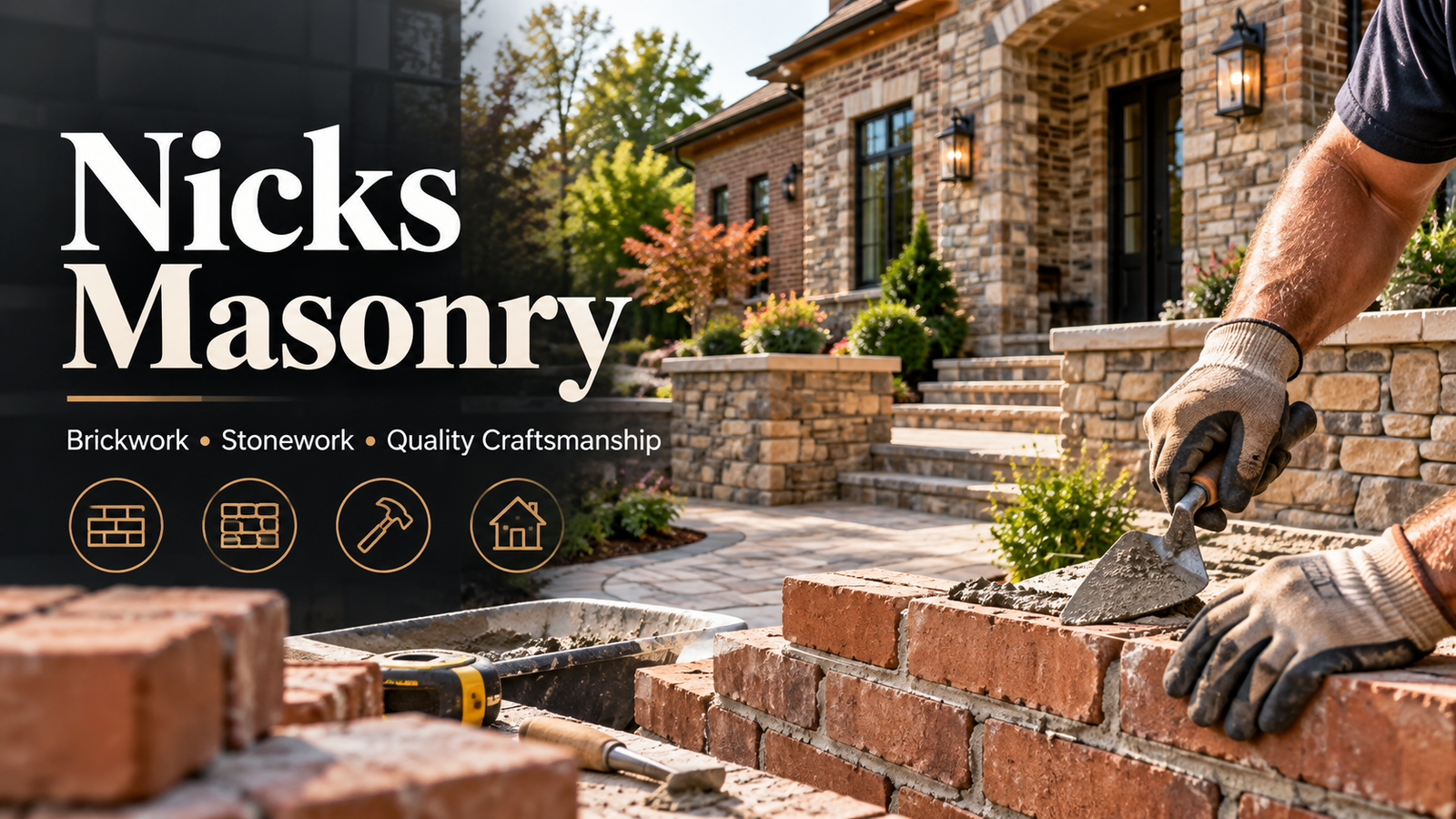
When it Nicks Masonry to improving the appearance, durability, and overall value of a property, quality masonry can make a remarkable difference. Whether you’re planning to build a beautiful stone patio, repair an aging brick wall, or install a durable concrete walkway, hiring an experienced masonry contractor is essential. This is where the name Nicks Masonry often comes into the conversation.
Nicks Masonry is a name associated with masonry contractors offering services such as brickwork, stonework, concrete construction, and structural repairs. However, it’s important to understand that several independent businesses operate under this name or similar names across different locations. Each business may offer different services, have its own experience, and serve a particular community.
In this comprehensive guide, we’ll explore everything homeowners should know about Nicks Masonry, including common masonry services, construction techniques, materials, maintenance practices, and the benefits of hiring a professional. We’ll also discuss how to choose a reliable contractor and what makes high-quality masonry work a worthwhile investment.
What Is Nicks Masonry?
Nicks Masonry generally refers to masonry businesses specializing in the construction, restoration, and maintenance of structures made from brick, natural stone, concrete, and other building materials. These services are essential for both residential and commercial properties because masonry provides structural strength while enhancing architectural appearance.
One important detail is that Nicks Masonry is not necessarily one nationwide company. For example, Nick’s Construction and Masonry LLC operates in Connecticut, while Nick’s Masonry & Concrete LLC has a business presence in North Carolina. Similar business names also appear in other areas. Therefore, anyone searching for Nicks Masonry should confirm the company’s location, ownership, and specific services before making an appointment.
What makes professional masonry particularly valuable is the combination of technical knowledge and craftsmanship required to complete a project correctly. A well-built brick wall or stone patio is more than an attractive feature. It must have a suitable foundation, properly installed materials, effective drainage, and construction details that can withstand environmental conditions for years.
The Importance of Professional Nicks Masonry Work
Nicks Masonry has been used in construction for thousands of years, and it remains one of the most trusted building methods today. Brick, stone, and concrete are popular because they offer excellent durability, structural stability, and resistance to everyday wear. When properly designed and installed, masonry structures can last for decades with appropriate maintenance.
Professional workmanship plays a significant role in achieving that durability. Even expensive materials can fail prematurely if the installation process is rushed or the underlying foundation is poorly prepared. Skilled masonry contractors understand how soil movement, moisture exposure, temperature changes, and material compatibility affect the long-term performance of a structure.
Another important benefit of professional masonry is its visual appeal. Carefully arranged bricks, natural stone textures, and decorative concrete features can transform an ordinary property into something distinctive. Whether the goal is to create a traditional appearance or complement modern architecture, professional masonry offers considerable design flexibility.
Masonry Services Commonly Associated With Nicks Masonry
Brickwork and Brick Repair
Brickwork is one of the most recognizable forms of Nicks Masonry construction. It is commonly used for exterior walls, garden boundaries, fireplaces, entryways, and architectural accents. Professional brick installation requires accurate measurements, consistent mortar joints, proper alignment, and an understanding of how the structure will handle weight and environmental exposure.
Brick repair is equally important, particularly for older buildings. Over time, mortar joints may deteriorate, individual bricks may crack, and moisture can enter damaged areas. Contractors often address these problems through repointing, selective brick replacement, and other restoration techniques. The objective is to protect the structure while preserving its original appearance.
Homeowners should pay attention to visible warning signs such as loose bricks, widening cracks, crumbling mortar, and white mineral deposits on surfaces. These symptoms do not always indicate serious structural damage, but they should not be ignored. Early assessment and appropriate repairs can prevent smaller issues from developing into expensive restoration projects.
Natural Stone Installation and Restoration
Natural stone is a popular choice for homeowners who want a timeless, sophisticated appearance. Materials such as granite, limestone, sandstone, slate, and fieldstone offer distinctive textures and colors that work beautifully in outdoor living areas, walkways, decorative walls, and building facades.
Installing natural stone requires careful planning because individual stones may vary significantly in size, shape, thickness, and surface characteristics. A professional mason must select appropriate materials, prepare a stable base, and position each piece to achieve both structural reliability and an attractive finish. Drainage and joint design are especially important for outdoor installations.
Stone restoration is another specialized area of masonry. Older stone surfaces can suffer from weathering, staining, deteriorated joints, and moisture damage. Successful restoration typically involves cleaning methods suited to the specific stone, compatible repair materials, and techniques that preserve as much of the original structure as possible.
Concrete Driveways, Patios, and Walkways
Concrete is widely used in residential and commercial construction because of its versatility, strength, and relatively low maintenance requirements. Common projects include driveways, sidewalks, patios, steps, and outdoor gathering spaces. Concrete can also be finished in different ways to create decorative patterns or improve surface traction.
A successful concrete installation begins well before the material is poured. Contractors need to evaluate the ground, establish proper grading, prepare and compact the base, and plan suitable joints. Reinforcement, slab thickness, concrete specifications, and curing procedures depend on the intended use and local conditions.
Decorative concrete has become an appealing option for homeowners looking to combine practicality with design. Stamped textures, exposed aggregate, and carefully selected finishes can create attractive outdoor surfaces. However, the quality of the result depends on correct installation rather than appearance alone.
Retaining Walls and Outdoor Landscaping
Retaining walls are among the most functional Nicks Masonry features used in landscape construction. They help manage sloped terrain, support changes in ground elevation, and create usable outdoor spaces. Depending on the design, retaining walls may be constructed from concrete blocks, natural stone, reinforced concrete, or other engineered systems.
Although retaining walls may appear straightforward, their construction requires careful attention to soil pressure, water accumulation, foundation stability, and drainage. Poorly designed walls can lean, crack, or eventually fail. Taller walls and walls supporting additional loads may require engineered plans, permits, and specialized construction methods.
From a landscaping perspective, retaining walls can also enhance the beauty of a yard. They can frame gardens, define seating areas, and create attractive transitions between different levels of a property. With thoughtful planning, a retaining wall becomes both a practical structural element and an important part of the overall landscape design.
Chimney and Fireplace Masonry Services
Chimneys and fireplaces bring warmth, character, and architectural interest to a home. However, these structures are regularly exposed to high temperatures, weather conditions, and moisture. As a result, they need suitable construction materials, careful installation, and periodic inspection to remain functional and safe.
Common chimney problems include deteriorating mortar joints, damaged chimney crowns, cracked bricks, and water intrusion. These issues can gradually compromise the chimney’s performance and potentially create safety concerns. Professional masonry repairs may involve replacing damaged materials, repairing the crown, rebuilding affected sections, or addressing problems with surrounding flashing.
Fireplace Nicks Masonry also involves more than decorative brick and stone. Fireboxes, hearths, and surrounding materials must be designed for the temperatures and conditions they will experience. Homeowners should use qualified professionals for fireplace and chimney work and arrange appropriate inspections before using a damaged or previously unused system.
Materials Used in High-Quality Nicks Masonry Construction
The choice of materials can significantly influence the durability, cost, and final appearance of a masonry project. Brick is valued for its familiar appearance, reliable performance, and availability in different colors and textures. Natural stone offers unique visual character, while concrete and manufactured Nicks Masonry products provide flexibility for a wide range of applications.
Mortar is another essential component that deserves careful consideration. It holds masonry units together, accommodates certain movements, and contributes to the overall performance of the structure. Selecting the correct mortar type is particularly important during restoration projects because overly hard or incompatible mortar can damage older, softer masonry materials.
Climate and environmental conditions also influence material selection. Areas experiencing freezing temperatures need masonry systems that can resist repeated freeze-thaw exposure. Regions with heavy rainfall require particular attention to moisture control, drainage, and protective detailing. Choosing materials according to the local environment is one of the best ways to improve long-term performance.
Why Homeowners Choose Experienced Nicks Masonry Contractors
One of the primary reasons homeowners hire experienced Nicks Masonry contractors is the assurance of skilled workmanship. Masonry involves techniques that take time and practice to master. Proper leveling, joint spacing, material preparation, structural detailing, and finishing all contribute to the quality of the completed project.
Experienced contractors can also help property owners avoid common planning mistakes. For example, a homeowner might focus on the appearance of a patio without considering drainage or ground settlement. A knowledgeable professional can identify those concerns during the initial assessment and recommend a construction approach suited to the property.
Communication and project management are equally valuable. Reliable contractors should explain the scope of work, discuss material options, provide realistic scheduling information, and address questions before construction begins. This transparency helps homeowners understand what they are paying for and reduces the likelihood of unexpected disagreements.
How to Choose the Right Nicks Masonry Contractor
The first step in choosing a Nicks Masonry contractor is verifying the specific business you intend to hire. Because similarly named companies operate in different locations, homeowners should confirm the company’s address, service area, contact details, and business identity. This simple step helps prevent confusion when reading reviews or requesting quotations.
Next, investigate the contractor’s experience and previous projects. Completed-project photographs, customer references, and detailed explanations of construction methods can provide useful insights into their capabilities. For specialized projects such as chimney rebuilding or structural retaining walls, relevant technical experience is especially important.
Finally, request a written estimate and verify any licensing, registration, and insurance requirements applicable to your area. A detailed proposal should identify the work to be completed, materials, payment terms, approximate schedule, and responsibilities for site preparation and cleanup. Comparing multiple proposals can help homeowners evaluate overall value rather than simply choosing the lowest price.
Understanding Nicks Masonry Project Costs
The cost of Nicks Masonry work depends on several factors, including the type of project, materials, labor requirements, accessibility, and overall complexity. A simple walkway repair will generally involve different expenses from a custom natural stone patio or a structurally engineered retaining wall.
Material selection can make a substantial difference in the final budget. Some manufactured concrete products are relatively economical, while certain natural stones require more expensive materials and labor-intensive installation. Demolition, excavation, drainage improvements, foundation preparation, and waste removal may also add to the total cost.
Rather than relying on a generic price estimate, homeowners should obtain project-specific quotations from qualified local contractors. A clear estimate allows you to understand what is included and identify possible additional expenses. Spending more on appropriate preparation and durable materials may also reduce maintenance and repair costs over the structure’s lifetime.
How Proper Nicks Masonry Maintenance Protects Your Investment
Nicks Masonry is often described as low maintenance, but that does not mean it requires no attention. Regular inspections can help identify cracks, deteriorating joints, water penetration, and surface damage before these issues become serious. Outdoor masonry should be checked periodically, especially after severe weather or significant temperature changes.
Cleaning is another part of masonry maintenance. Dirt, algae, and stains can affect the appearance of brick, stone, and concrete surfaces. However, cleaning methods should match the material being treated. Aggressive pressure washing and harsh chemicals can damage mortar joints or sensitive natural stone, so gentle methods are generally preferable unless a professional recommends otherwise.
Moisture management is especially important. Gutters, downspouts, drainage channels, and surrounding soil conditions can influence how much water reaches a masonry structure. Keeping drainage systems functioning correctly and addressing persistent moisture problems helps protect the appearance and structural condition of masonry installations.
Common Nicks Masonry Problems and Their Solutions
Cracking is one of the most common concerns homeowners notice in Nicks Masonry structures. Small surface cracks may result from normal movement or minor shrinkage, while larger or expanding cracks can indicate foundation settlement, moisture problems, or structural stress. The correct repair method depends on identifying the underlying cause rather than merely covering the visible damage.
Mortar deterioration is another frequent problem, particularly in older brick and stone structures. Exposure to rain, changing temperatures, and natural aging can gradually weaken mortar joints. Repointing removes deteriorated material to an appropriate depth and replaces it with compatible mortar, restoring weather resistance and helping preserve the surrounding masonry.
Uneven patios, shifting pavers, and leaning walls also deserve attention. These problems may be related to inadequate base preparation, poor drainage, soil movement, or improper construction. A qualified contractor can inspect the affected area and determine whether localized repairs are sufficient or more extensive reconstruction is necessary.
The Long-Term Value of Quality Nicks Masonry
High-quality Nicks Masonry can improve a property’s appearance, functionality, and overall appeal. Attractive stone walkways, carefully constructed brick features, and well-designed patios often make outdoor spaces more inviting. These improvements can also help homeowners use their properties more comfortably and effectively.
Durability is another major advantage. Properly constructed masonry is capable of resisting everyday use and many environmental stresses over long periods. Although maintenance is still necessary, suitable materials and professional installation can reduce the frequency of major repairs and replacements.
Masonry projects may also contribute to property value, although the financial return varies according to location, project cost, design, and market conditions. The greatest benefit often comes from combining practical improvements with attractive, well-executed construction that complements the existing property.
The Future of Nicks Masonry and Modern Construction
Nicks Masonry continues to evolve as modern construction techniques introduce improved materials, installation systems, and design possibilities. Contractors increasingly have access to specialized masonry products, manufactured stone, advanced drainage components, and equipment that can improve efficiency and consistency.
Environmental considerations are also influencing the industry. Homeowners and contractors are paying closer attention to material sourcing, construction waste, product longevity, and the potential for reusing existing masonry units. Restoring sound brick or stone structures rather than replacing them unnecessarily can help conserve resources and preserve architectural character.
Despite these changes, traditional masonry skills remain essential. Technology can support planning and installation, but it cannot replace an experienced craftsperson’s understanding of materials, structural behavior, and construction details. The most successful projects combine proven craftsmanship with suitable modern methods.
Conclusion
Nicks Masonry is a search term connected with masonry contractors that provide services ranging from brick and stone construction to concrete installation, chimney repairs, and outdoor improvements. Because businesses with similar names operate independently, identifying the correct contractor is an important first step.
Whether you’re renovating an older property, improving your landscape, or planning a completely new masonry feature, the quality of the workmanship matters as much as the materials. Proper foundations, effective drainage, compatible construction products, and attention to detail all contribute to a lasting result.
Ultimately, professional masonry is an investment in both appearance and functionality. By selecting an experienced contractor, reviewing previous work, understanding project costs, and following appropriate maintenance practices, homeowners can enjoy attractive and durable masonry features for many years.
FUQS
What services does Nicks Masonry provide?
Contractors operating under Nicks Masonry or similar names may offer brickwork, stone installation, concrete construction, retaining walls, patios, and masonry repairs. Available services depend on the specific company and location.
Is Nicks Masonry a single nationwide company?
No single nationwide company has been established under this exact name. Several independent masonry businesses use Nicks Masonry or similar names in different areas.
How long does a masonry project take?
The timeline depends on the project’s size, complexity, materials, weather conditions, and necessary preparation. Small repairs may take a short time, while larger installations can require several weeks or more.
Does professional masonry increase property value?
Well-designed masonry improvements can enhance curb appeal and property functionality, potentially contributing to resale value. However, the return on investment depends on the project and local housing market.
How can I find a reliable Nicks Masonry contractor?
Verify the company’s location, check relevant licensing and insurance, review completed projects, and request a detailed written estimate before hiring.
What materials are commonly used in masonry projects?
Common materials include clay bricks, natural stone, concrete blocks, mortar, pavers, and reinforced concrete. The best choice depends on the structure’s intended use, design, and environmental conditions.
How often should masonry structures be inspected?
Homeowners should visually inspect exposed masonry at least annually and after significant weather events. Structural movement, major cracks, or persistent water damage should be assessed promptly by a qualified professional.