






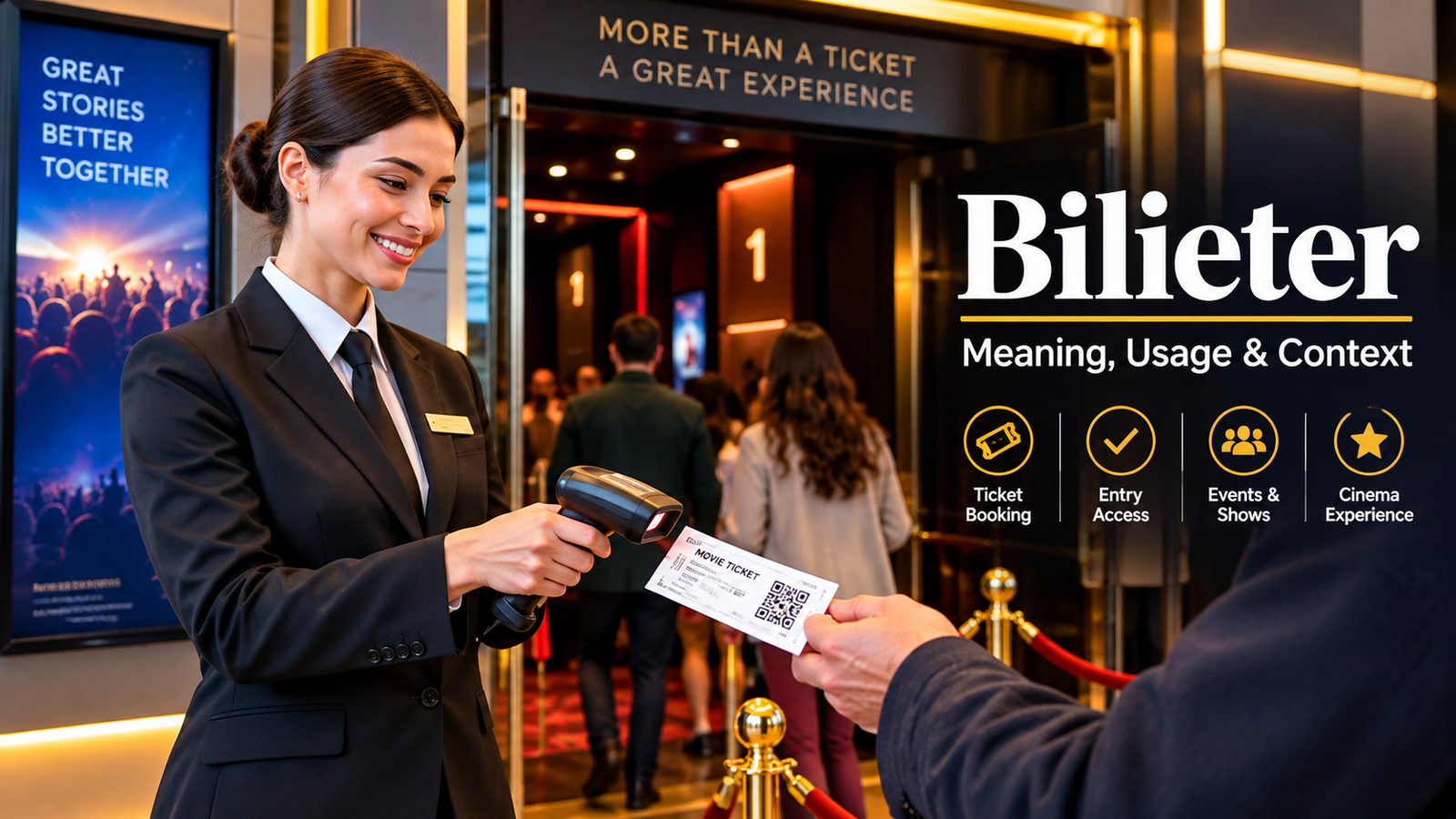
In Bilieter digital world, the way people buy tickets, attend events, and manage entry systems has changed dramatically. Traditional paper tickets have gradually been replaced by online bookings, QR codes, mobile passes, and automated access solutions. This transformation has created interest around new terms and platforms connected with digital ticketing, including Bilieter.
Bilieter is a term that has recently gained attention among people searching for information about event planning, ticket management, digital access systems, and modern booking solutions. While many users discover the term while exploring online ticketing technology, the broader idea behind it connects with the evolution of how events and reservations are handled in the modern era.
The growth of digital ticketing is not only about replacing physical tickets with electronic versions. It is about creating a smoother experience for both organizers and attendees. From purchasing tickets online to entering a venue through a quick QR scan, technology has made the entire process faster, safer, and more convenient.
This article explores Bilieter, its connection with digital ticketing, how modern event systems work, the benefits of digital access management, and why such technologies are becoming increasingly important for businesses and event organizers.
What Is Bilieter and Why Is It Becoming Popular?
Bilieter can be understood in relation to modern digital ticketing and event management solutions. The concept revolves around simplifying the process of creating, managing, distributing, and validating tickets through digital systems. Instead of relying on printed passes or manual checking, modern platforms allow users to handle the complete ticket journey electronically.
The increasing popularity of Bilieter-style systems comes from a major shift in consumer behavior. People today expect quick online services, instant confirmations, and easy access through their smartphones. Whether someone is attending a concert, conference, sports event, exhibition, or private gathering, they prefer solutions that reduce waiting times and unnecessary paperwork.
For event organizers, digital ticketing provides much more than simple ticket sales. These systems help with attendee management, security monitoring, event planning, and performance analysis. Organizers can understand customer behavior, track attendance numbers, and improve future events using collected data.
Another reason behind the growing interest in Bilieter is the increasing demand for contactless experiences. Since digital tickets can be stored on phones and verified electronically, they create a smoother experience for everyone involved.
The Evolution of Ticketing From Paper Passes to Digital Solutions
Ticketing has existed for centuries, but the way people use tickets has changed significantly. In the past, tickets were mostly physical documents that needed to be printed, stored carefully, and manually checked at entry points. This process worked for smaller events but became challenging as audiences grew.
With the development of the internet, online booking systems started replacing traditional ticket counters. Customers could purchase tickets from websites instead of visiting physical locations. This change improved convenience and allowed organizations to sell tickets to a much larger audience.
The introduction of smartphones created another major transformation. Digital tickets became easier to access because people could store them directly on their devices. QR codes and barcode technology allowed staff members to verify tickets within seconds.
Today, digital ticketing systems represent a complete ecosystem. They connect payment processing, customer information, ticket delivery, security verification, and event analytics. Bilieter represents this broader movement toward smarter and more efficient ticket management.
How Digital Ticketing Systems Like Bilieter Work
Modern ticketing systems follow several important steps to complete the customer journey. Although the technology behind them can be complex, the user experience is designed to remain simple.
The first step is ticket creation. Event organizers create ticket categories, set prices, define availability, and upload event information. This allows customers to select suitable options based on their needs.
The second step involves purchasing and delivery. Customers complete payment online and receive their digital tickets through email, an application, or an online account. These tickets usually contain unique identification details such as QR codes or digital verification numbers.
The final stage is ticket validation. When attendees arrive at the venue, their digital ticket is scanned. The system checks whether the ticket is authentic and confirms whether entry should be approved. This reduces fraud and speeds up the admission process.
Behind the scenes, these systems often include databases, cloud technology, security tools, and reporting features. Together, these elements create a complete digital access management solution.
Key Features of Modern Bilieter-Style Platforms
One of the biggest advantages of digital ticketing systems is the wide range of features they provide. Unlike traditional ticket methods, modern platforms are designed to support the entire event management process.
A major feature is online ticket purchasing. Customers can buy tickets anytime and from anywhere without visiting a physical location. This improves accessibility and increases sales opportunities for organizers.
Another important feature is QR code-based entry. QR codes provide a simple and secure way to verify tickets. Staff members can scan codes using digital devices, making entry faster and reducing long queues.
Analytics and reporting are also valuable features. Organizers can monitor ticket sales, attendance trends, customer preferences, and event performance. This information helps businesses make better decisions and improve future events.
Security management is another critical area. Digital systems can reduce ticket duplication, unauthorized access, and fraudulent activities by using unique verification methods.
Benefits of Bilieter and Digital Ticketing for Event Organizers
Event organizers face many challenges, including managing large crowds, preventing fraud, and creating positive customer experiences. Digital ticketing solutions help solve many of these problems.
One major benefit is improved efficiency. Manual ticket checking can be slow, especially during large events. Digital scanning systems allow thousands of attendees to enter quickly while reducing workload for staff members.
Another advantage is better data management. Organizers can collect valuable information about attendees, including purchasing patterns and attendance behavior. This data can help with marketing campaigns and future planning.
Digital ticketing also reduces operational costs. Printing physical tickets, managing paper records, and maintaining traditional ticket offices require additional resources. Online systems minimize these expenses and create a more sustainable approach.
Furthermore, digital platforms provide flexibility. Organizers can update ticket availability, modify event details, and communicate directly with attendees through online channels.
Benefits of Digital Tickets for Customers
While organizers receive many advantages, customers also experience significant improvements. Convenience is one of the biggest reasons people prefer digital tickets.
Instead of carrying physical tickets, users can simply store their passes on smartphones. This reduces the risk of losing tickets and makes access much easier.
Digital tickets also provide instant confirmation. After completing a purchase, customers can receive their tickets immediately instead of waiting for delivery.
Another benefit is improved communication. Event organizers can send updates, reminders, schedule changes, and important announcements directly to ticket holders.
The overall experience becomes smoother because customers spend less time dealing with administrative tasks and more time enjoying the event itself.
The Role of Security in Modern Ticketing Systems
Security has become one of the most important aspects of event management. As ticket fraud and unauthorized access continue to be concerns, digital solutions provide stronger protection.
Each digital ticket can include unique information that makes duplication more difficult. QR codes, encrypted data, and real-time verification systems help confirm whether a ticket is legitimate.
Digital systems also allow organizers to monitor entry patterns. If unusual activity occurs, teams can respond quickly and take appropriate action.
For large-scale events such as concerts, festivals, and sports competitions, security is essential. Efficient ticket verification helps maintain order while creating a safer environment for attendees.
Bilieter and the Future of Event Technology
The future of event management is becoming increasingly connected with artificial intelligence, automation, and smart technology. Digital ticketing is expected to continue evolving as businesses search for better ways to manage customer experiences.
Artificial intelligence may help organizers predict attendance patterns, optimize pricing strategies, and improve event recommendations. Mobile applications may become even more advanced, combining tickets, payments, maps, and personalized experiences in one place.
Smart access systems may also become more common. Technologies such as facial recognition, wearable devices, and advanced verification methods could further transform how people enter venues.
Bilieter represents part of this larger technological movement. As expectations continue to rise, businesses will need smarter systems that combine convenience, security, and efficiency.
Challenges Associated With Digital Ticketing Systems
Although digital ticketing provides many benefits, it also comes with certain challenges. One concern is technology dependency. Users need reliable internet access and compatible devices to access their tickets.
Privacy is another important issue. Since digital systems collect customer information, companies must ensure that data is protected properly.
Technical problems can also create difficulties. System failures, scanning issues, or software errors may affect the customer experience if proper backup plans are not available.
Successful digital ticketing requires strong infrastructure, security measures, and customer support to handle unexpected situations.
Conclusion: Why Bilieter Represents the Future of Ticket Management
Bilieter reflects the broader transformation happening in the ticketing and event management industry. As businesses move away from traditional paper-based methods, digital systems are becoming essential for creating faster, safer, and more convenient experiences.
The future of ticketing is not simply about selling access. It is about creating complete digital journeys where customers can discover events, purchase tickets, enter venues, and receive support through connected technology.
For organizers, digital ticketing provides better control, improved security, and valuable insights. For customers, it offers convenience and simplicity.
(FAQs)
What is Bilieter?
Bilieter is a term associated with modern digital ticketing and access management solutions. It represents the shift from traditional paper tickets toward online ticket systems that allow users to purchase, manage, and verify tickets digitally.
How does a digital ticketing system work?
A digital ticketing system allows event organizers to create tickets online, sell them through digital platforms, and provide customers with electronic tickets. These tickets are usually verified through QR codes, barcodes, or other digital authentication methods at the entry point.
What are the benefits of using Bilieter-style ticketing solutions?
Bilieter-style systems offer several advantages, including faster entry processes, improved security, reduced paperwork, better customer communication, and easier management of event information. They also help organizers analyze attendance data and improve future events.
Are digital tickets safer than traditional paper tickets?
Yes, digital tickets are generally more secure because they can include unique identification codes, real-time verification, and anti-fraud features. These technologies make unauthorized copying and misuse more difficult.
Can digital tickets be used for different types of events?
Yes, digital ticketing solutions can be used for various events, including concerts, conferences, sports matches, exhibitions, festivals, workshops, and private gatherings. Their flexible design allows them to support different event requirements.
Do customers need a special app to use digital tickets?
Not always. Many digital ticketing systems allow users to access tickets through email, websites, or mobile applications. The exact method depends on the platform and event organizer.
What is the future of Bilieter and digital ticketing technology?
The future of digital ticketing is expected to include more automation, artificial intelligence, smart verification systems, and personalized user experiences. These advancements will continue making event access faster, safer, and more convenient.