




Most people only think about technology when it stops working. The contactless card, the map app that reroutes you mid-journey, the smart speaker you shout at from across the room – they’ve all crept into daily life so quietly that most of us barely registered it happening. But each one has changed something real about how people in Britain get around, spend money, run their homes, and deal with their bank.
Contactless Payment Technology
Contactless cards launched in the UK back in 2007, though for a while they felt more like a novelty than a revolution. It took years before tapping a card felt normal. Then the pandemic nudged spending limits upward, and suddenly everyone was doing it – shoppers, retailers, even people who’d held out for ages. Mobile payments came with it. Apple Pay, Google Pay, your phone doing the job your wallet used to do.
What’s changed isn’t just speed at the till. Buses and trains in London and elsewhere now accept contactless fares without any need for top-ups or separate cards, which has made commuting simpler. Restaurants started bringing card readers to the table instead of making you queue at a counter. Cash use has dropped enough that some places have stopped accepting it altogether. Most people don’t give it much thought – but where your money goes after you tap is actually a quick back-and-forth between your bank, the card network, and the retailer, all wrapped up in a second or two.
Smartphone Navigation and Mapping
The glovebox map didn’t survive. Neither did the dedicated sat-nav, really. Apps like Google Maps and Apple Maps absorbed both, then added real-time traffic updates, live transport schedules, and the ability to find a decent coffee shop nearby – all from the same screen. Getting somewhere unfamiliar used to involve some planning. Now it’s a few taps before you leave.
Commuting habits have shifted as a result. People reroute around delays before they’ve even left the house. And it’s not just commuters – tourists exploring towns they’ve never visited rely almost entirely on their phones to find things, which has had a knock-on effect on which streets and businesses actually get foot traffic. Urban planners have started factoring this in, tweaking signage and pedestrian routes with the assumption that most visitors are staring at a phone, not a printed map.
Smart Home Devices and Assistants
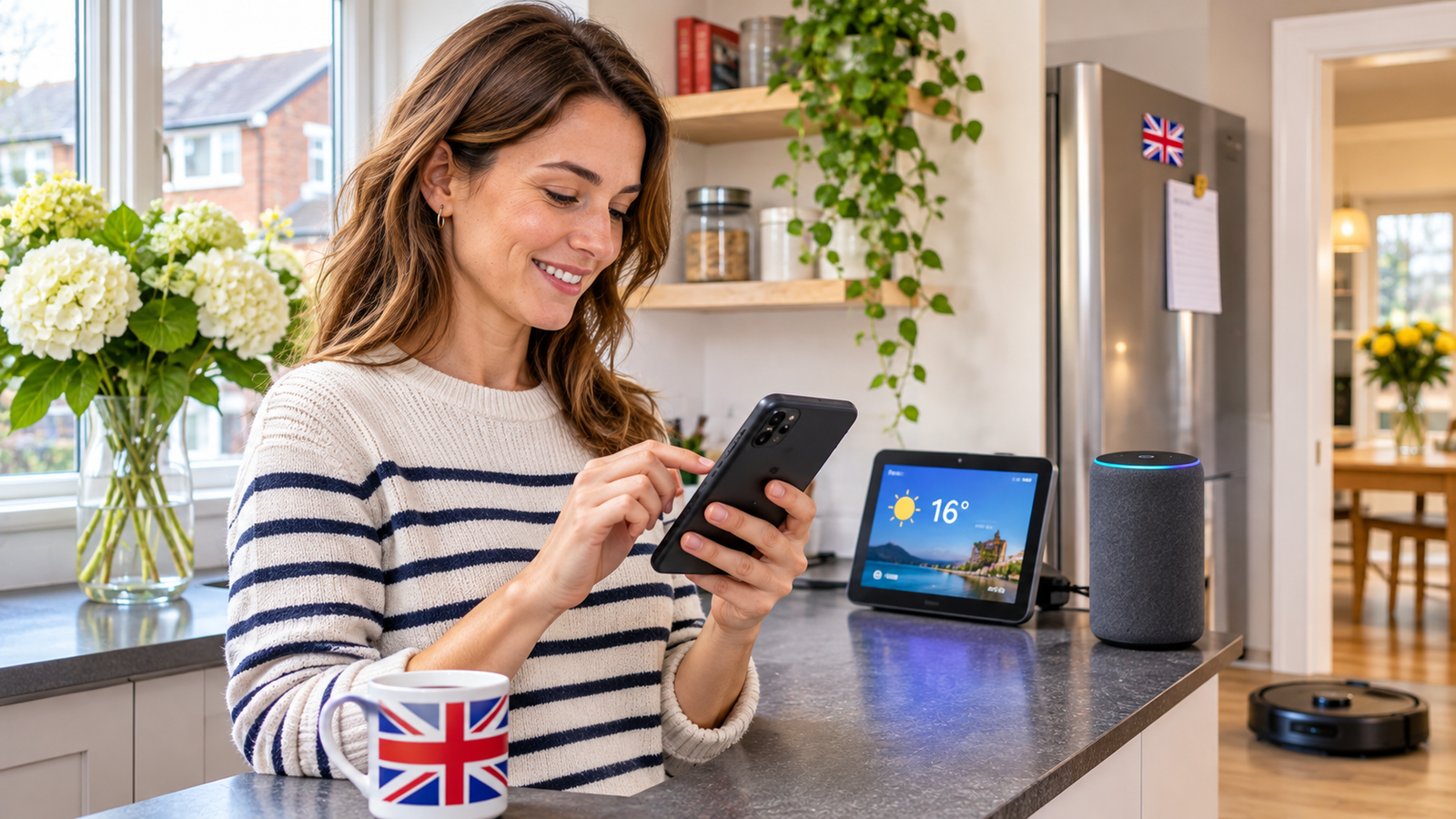
Alexa, Google Home, and their various competitors started out feeling a bit gimmicky. They’ve since become surprisingly ordinary fixtures in a lot of British homes, managing lights, heating, and music through voice commands that would have seemed futuristic not long ago. With energy bills staying high, the ability to schedule heating or automatically dim lights in empty rooms has given these devices a more practical appeal beyond just playing songs on request.
That said, uptake isn’t uniform. Younger and middle-aged households have been quicker to adopt smart speakers than older ones. And the privacy concern hasn’t gone away – a device that’s always listening is always going to raise questions about what it’s doing with what it hears. Still, for most users, the convenience wins out, and the numbers keep growing.
Online Banking and Digital Finance
The local bank branch has been quietly fading for years, and the banking app is what replaced it. You can now check your balance, move money, or apply for a loan from your phone without speaking to anyone or going anywhere. For people in rural areas, or anyone with mobility issues, that’s been genuinely useful rather than just convenient. Challenger banks like Monzo and Starling built their whole model around this idea from the start, which pushed the older banks to catch up faster than they might have otherwise.
Security has had to keep pace too. Fingerprint logins, two-step verification, instant fraud alerts – these have all become standard in a way that PINs and passwords alone can’t match. The budgeting tools built into many apps have also changed how people relate to their money. Seeing a notification the moment you spend something, or getting a weekly breakdown of where it all went, makes your finances harder to ignore.
The Technology Hiding in Plain Sight
None of this landed with much noise. No single moment where everyone stopped and said, right, things are different now. It just accumulated. Tap here, speak there, check your phone. Each of these tools found its way into everyday life by being useful without being complicated, and that’s probably how the next round of changes will arrive too – practical, unassuming, and already half-familiar before most people notice them.