






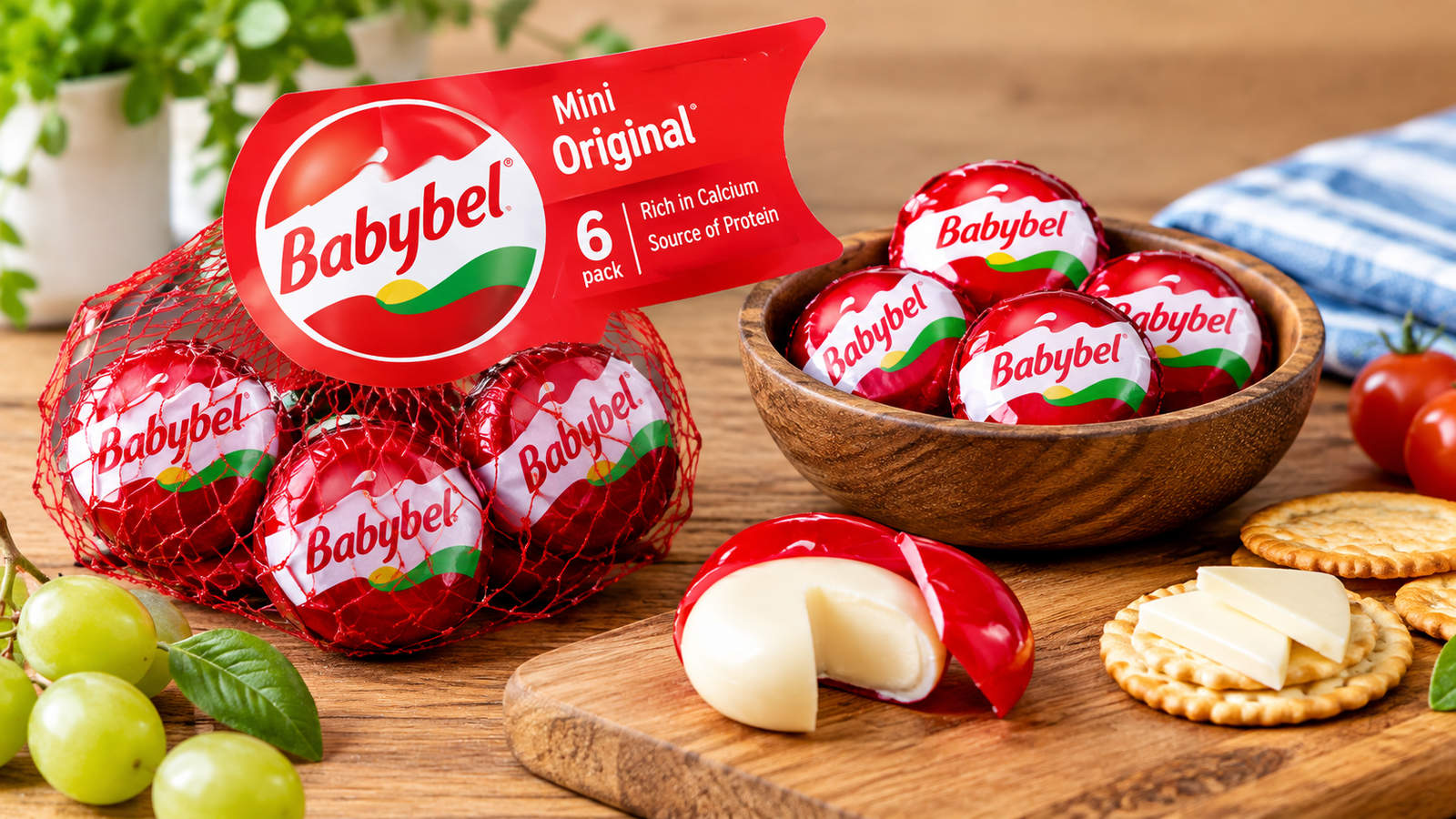
Babybelletje is a charming name that many people associate with the famous small, round cheese snack known for its playful appearance and convenient size. The word is often used to describe Mini Babybel, a snack cheese recognized worldwide for its colorful wax coating, creamy texture, and easy-to-carry design. This little cheese has become a favorite among children, families, travelers, and anyone looking for a quick dairy snack.
What makes Baby belletje interesting is that it is not just another cheese product. Its appeal comes from the combination of traditional cheese-making methods, unique packaging, and a fun eating experience. Opening the small wax-covered wheel has become part of the enjoyment, turning a simple snack into something memorable.
Although Baby belletje looks like a modern convenience food, its roots are connected to traditional European cheese culture. Produced by the French company Bel Group, Babybel has grown from a regional cheese idea into a globally recognized snack brand enjoyed in many countries.
The Meaning and Origin of Babybelletje
The term Babybelletje is commonly connected with Mini Babybel cheese. In Dutch, the word has a cute, diminutive feel, making it sound like a small or beloved version of something. This fits perfectly with the snack’s identity because Baby belletje represents a small, friendly, and approachable cheese product.
The original Babybel concept comes from France, where the Bel Group developed the cheese brand. The company has a long history in cheese production, dating back to the 19th century, and later introduced Babybel as a smaller, snack-friendly option.
The smaller Mini Babybel version became especially popular because it changed how people viewed cheese snacks. Instead of buying a large block that needed slicing, consumers could enjoy individual portions that were ready whenever they wanted.
The idea behind Baby belletje was simple but effective: create a cheese that was practical, fun, and suitable for modern lifestyles. This approach helped the product become popular among schoolchildren, office workers, and families looking for convenient food options.
What Makes Babybelletje Different From Other Cheese Snacks
One of the biggest reasons Babybelletje stands out is its recognizable appearance. The small circular cheese wheel covered in colorful wax is easy to identify and has become one of the brand’s most memorable features. The wax coating helps protect the cheese and adds to the fun experience of opening the snack.
Unlike many processed cheese snacks, traditional Mini Babybel is made as a real cheese product. The original version is an Edam-style cheese made from pasteurized cow’s milk, with a mild flavor and semi-soft texture.
The size of Babybelletje is another major advantage. Each piece is designed as an individual serving, making it convenient for lunchboxes, picnics, road trips, and quick snacks. People do not need a knife, plate, or additional preparation.
Another unique element is the experience of eating it. Removing the wrapper, peeling away the wax, and revealing the cheese inside creates a small moment of enjoyment. This interactive quality has helped Babybelletje remain popular across different age groups.
The History Behind Babybelletje
The story of Babybelletje begins with the Bel Group, a French company known for producing various cheese products. The company originally created larger Babybel cheeses before introducing smaller versions designed for individual consumption.
The Mini Babybel format was introduced in the late 1970s and quickly gained attention because it matched changing consumer habits. Families were looking for convenient foods that could be packed easily, and the small cheese wheels fit perfectly into this lifestyle.
Over time, Babybel expanded into different markets around the world. Its recognizable packaging and simple concept allowed it to become a familiar product in supermarkets across many countries.
The success of Baby belletje shows how a traditional food can be adapted for modern consumers. By combining classic cheese-making with creative presentation, the brand created a product that feels both familiar and new.
How Babybelletje Is Made
The production of Babybelletje follows a cheese-making process similar to other semi-soft cheeses. The main ingredient in the original version is pasteurized cow’s milk, which is transformed through fermentation and cheese-making techniques.
During production, milk is combined with cultures and other ingredients that help create the desired texture and flavor. The cheese is shaped into small wheels and prepared before receiving its famous wax covering.
The wax layer serves an important purpose. It protects the cheese from outside elements while also helping maintain freshness. The colorful coating also gives Babybel its playful identity and makes it easy for consumers to recognize different varieties.
After packaging, the small cheese wheels are distributed through stores and food markets worldwide. The careful balance between traditional cheese production and modern packaging is one reason Baby belletje continues to attract consumers.
Popular Varieties of Babybelletje
While the classic red Babybelletje remains the most famous version, the brand has introduced several varieties over the years. These options allow consumers to enjoy different flavors while keeping the same convenient format.
The Original Babybel is inspired by Edam-style cheese and is known for its mild, creamy taste. Other varieties have included flavors such as cheddar-style options, mozzarella-style versions, and plant-based alternatives in some markets.
Different versions are often identified by their wax colors, making it easy for customers to recognize their preferred type. This colorful approach adds an element of fun while creating variety within the product range.
The expansion of Babybel products shows how the brand has adapted to changing consumer preferences. Whether people prefer traditional dairy cheese or newer alternatives, Babybelletje continues to evolve with the market.
Why People Love Babybelletje
One major reason for the popularity of Babybelletje is convenience. Modern lifestyles often require quick food choices, and this snack provides an easy solution without complicated preparation.
Parents especially appreciate the product because it is simple to pack and portion. The small size makes it suitable for children’s lunchboxes, while the mild taste appeals to many young eaters.
Adults also enjoy Baby belletje because it works well as a quick snack during busy days. It can be eaten alone or combined with fruits, crackers, nuts, or other foods for a more complete snack experience.
Beyond convenience, nostalgia plays a role in its popularity. Many people remember eating Babybel as children and continue buying it later in life because of the positive memories connected with the product.
Nutritional Value and Everyday Uses of Babybelletje
Babybelletje provides nutrients commonly associated with dairy products, including protein and calcium. These nutrients make cheese a valuable part of many balanced diets when consumed appropriately.
The snack format also makes portion control easier. Instead of cutting a large piece of cheese, consumers receive individually sized portions that are ready to eat.
Besides eating it directly, Babybelletje can be used creatively in meals. Some people add it to salads, sandwiches, snack boards, or recipes that require small portions of cheese.
Its versatility is another reason it remains popular. It can fit into many eating situations, from casual snacks to family gatherings.
The Cultural Impact of Babybelletje
Babybelletje has become more than just a cheese product. Its unique appearance and playful branding have helped it become part of popular food culture.
The snack has a strong connection with childhood memories for many consumers. The simple action of opening the wax wrapper creates a recognizable experience that separates it from ordinary cheese products.
Its success also demonstrates the importance of presentation in food marketing. The product’s shape, packaging, and size all contribute to its identity.
Babybelletje proves that even a simple food item can become memorable when it combines quality, creativity, and emotional connection.
Conclusion
Babybelletje represents a perfect combination of traditional cheese-making and modern convenience. Its small size, recognizable wax coating, and mild flavor have helped it become a beloved snack around the world.
From its European roots to its international popularity, Babybelletje shows how a simple idea can create a lasting impact. The snack continues to attract new generations while maintaining the charm that made it popular in the first place.
Whether enjoyed by children, adults, or families, Babybelletje remains a fun and practical cheese choice that brings together taste, convenience, and a little bit of enjoyment in every bite.
FAQs
What is Babybelletje?
Babybelletje refers to the small Babybel cheese snack known for its round shape and colorful wax coating.
Is Babybelletje real cheese?
Yes, the original Mini Babybel is a real cheese product made from pasteurized milk.
Why is Babybelletje covered in wax?
The wax coating helps protect the cheese while giving it its recognizable appearance.
Who makes Babybelletje?
Babybelletje is produced by the French company Bel Group.
Can adults eat Babybelletje?
Yes, Babybelletje is enjoyed by people of all ages as a convenient snack.