






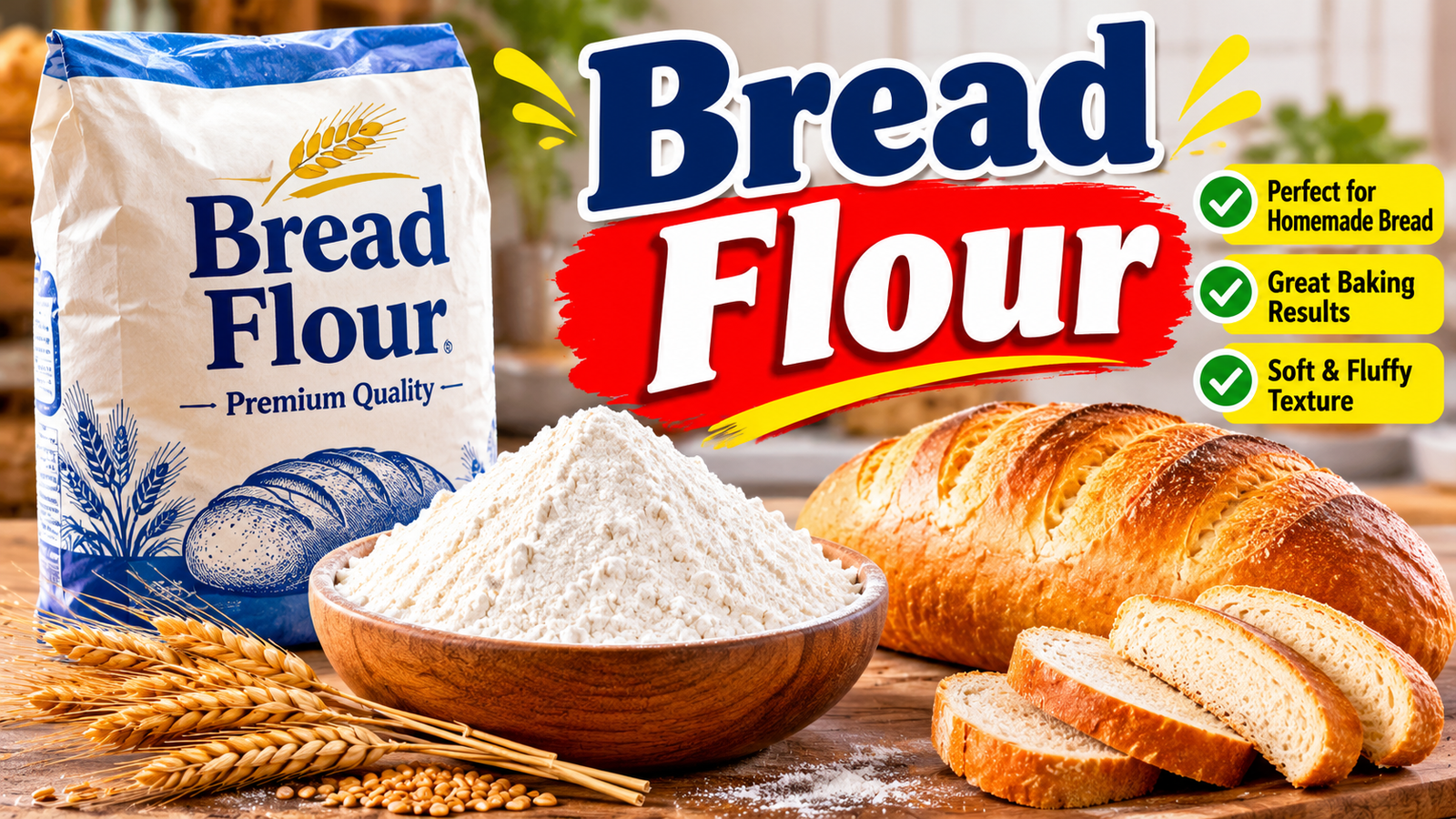
Bread flour is a popular ingredient in kitchens where homemade bread, pizza, rolls, and other baked goods are prepared regularly. Although it may look almost identical to ordinary all-purpose flour, it has some important characteristics that make it particularly useful for baking. Its higher protein content helps develop gluten, giving dough the strength and elasticity needed to rise properly and produce a satisfying texture.
If you have ever baked bread that turned out flat, dense, or difficult to slice, the type of flour you used might have played a role. Flour affects everything from dough consistency to the final texture of a baked product. Choosing the right variety can make baking easier and help you achieve more consistent results.
Whether you are an experienced home baker or someone learning to make bread for the first time, understanding bread flour is worth your time. Knowing how it works, when to use it, and what alternatives are available can help you make better baking decisions. This guide covers the important details, including its characteristics, common uses, nutritional value, storage recommendations, and practical baking techniques.
What Makes Bread Flour Different From Regular Flour?
Bread flour is a wheat-based flour designed primarily for recipes that require strong dough development. It generally contains between 12% and 14% protein, although the exact amount depends on the manufacturer and the wheat used. This protein content is usually higher than that of all-purpose flour, which makes bread flour particularly suitable for yeast-based recipes.
The difference becomes noticeable when flour is combined with water. Two wheat proteins, glutenin and gliadin, interact during hydration and mixing to form gluten. This creates an elastic network that gives dough its strength and flexibility. When yeast produces carbon dioxide during fermentation, the gluten network helps retain the gas, allowing the dough to expand and develop its structure.
Another important characteristic is how bread flour performs during kneading. Dough made with this flour can develop a stronger and more elastic consistency, making it easier to shape into loaves and other baked products. This does not mean every recipe requires bread flour, but it is a useful choice whenever a stronger structure and chewier texture are desired.
Understanding the Protein Content of Bread Flour
Protein content is one of the most important factors to consider when choosing bread flour. It influences how much gluten a dough can develop and how well it holds its shape during fermentation. A flour containing approximately 12% to 13% protein is generally suitable for everyday breadmaking, while varieties with higher protein levels can be useful for products that require extra chewiness.
When water is added to flour, gluten-forming proteins begin absorbing moisture. Mixing and kneading help these proteins connect, creating a flexible structure throughout the dough. This structure allows the dough to stretch as yeast releases carbon dioxide. Without sufficient gluten development, the dough may struggle to hold gas, resulting in a loaf that lacks volume and has a less organized crumb.
However, choosing flour with the highest possible protein content is not always the best approach. Different baked goods require different textures. A bagel benefits from strong, chewy dough, while soft dinner rolls may need a more delicate structure. The best protein level depends on the recipe and the result you want to achieve.
Bread Flour vs. All-Purpose Flour: Which One Should You Choose?
Bread flour and all-purpose flour are both made from wheat, but they are designed to perform differently in the kitchen. Bread flour usually contains more protein, which encourages stronger gluten development. All-purpose flour generally contains around 10% to 12% protein, although the percentage varies by brand and region.
This difference affects the texture of baked products. Bread flour is useful for making chewy loaves, pizza crusts, bagels, and artisan bread. All-purpose flour is more versatile and works well in everyday recipes such as pancakes, cookies, muffins, cakes, and certain types of bread. It produces a softer structure in many applications because it generally develops less gluten than bread flour.
You can often substitute one for the other, but the final result may not be identical. Using all-purpose flour instead of bread flour can produce a softer loaf with a slightly less chewy texture. Using bread flour in a cake or cookie recipe may create a firmer result, particularly if the mixture is overworked. For the most predictable outcome, use the flour recommended in your recipe.
Different Varieties of Bread Flour Available
White bread flour is one of the most common varieties available in supermarkets. It is made from refined wheat and has a relatively high protein content. Because much of the bran and germ is removed during milling, it generally produces a lighter-colored dough and a softer, more familiar bread texture. It is a practical option for everyday homemade loaves.
Whole wheat bread flour is another choice for people who prefer a more substantial flavor and higher fiber content. Unlike refined flour, it contains the bran, germ, and endosperm of the wheat kernel. These components contribute additional nutrients and give bread a stronger, nuttier flavor. However, whole wheat flour can produce denser dough because bran particles interfere with gluten development.
Unbleached bread flour and organic bread flour are also available from various manufacturers. Unbleached flour has not undergone chemical bleaching, while organic flour is produced using wheat grown according to organic agricultural standards. Some specialty products are also formulated with higher protein levels for professional baking applications. Checking the packaging helps you understand exactly what you are purchasing.
The Best Ways to Use Bread Flour in Everyday Baking
Homemade bread is probably the most obvious use for bread flour. It provides the strength needed for dough to rise and maintain its shape during baking. Whether you are preparing traditional white bread, farmhouse loaves, or artisan-style bread, this flour can help produce a well-structured interior and a satisfying crust.
Pizza dough is another excellent application. A good pizza crust needs to stretch without tearing and maintain enough strength to support its toppings. Bread flour helps create an elastic dough that can produce a chewy crust. It is especially useful in recipes that involve extended fermentation because a strong dough structure can handle the development process effectively.
Bread flour also works well for bagels, pretzels, and certain types of dinner rolls. Bagels are traditionally known for their dense and chewy texture, making strong flour a suitable choice. Pretzel dough also benefits from good elasticity and structure. For softer rolls, bakers sometimes combine bread flour with all-purpose flour to create a balance between strength and tenderness.
Can You Make Bread Without Bread Flour?
Yes, you can make homemade bread without using bread flour. All-purpose flour is one of the easiest alternatives because it is widely available and can produce good results in many yeast-based recipes. Although the finished loaf may be slightly softer and less chewy, it can still have a pleasant flavor and texture.
When replacing bread flour with all-purpose flour, begin with the same quantity recommended in the recipe. However, pay attention to the consistency of the dough because different flour brands absorb water differently. If the dough feels excessively dry, add a little water at a time. If it is too sticky, allow it to rest before deciding whether additional flour is necessary.
Some bakers also experiment with mixing different wheat flours to achieve a particular texture. For example, combining all-purpose flour with whole wheat flour can produce bread with a stronger wheat flavor while maintaining a relatively soft interior. These combinations require some experimentation, but they can be useful when a particular flour variety is unavailable.
How Much Water Does Bread Flour Need?
Water is essential for activating yeast, hydrating flour proteins, and developing the gluten structure that supports bread dough. Bread flour often absorbs more water than lower-protein flour because of its composition. However, the exact amount depends on the brand, milling characteristics, and other ingredients in the recipe.
A useful starting point is to follow the hydration level specified in your recipe. Hydration refers to the amount of water compared with the weight of flour. For example, a dough containing 600 grams of flour and 390 grams of water has a hydration level of 65%. This measurement helps bakers understand how wet or firm their dough should be.
Do not assume that every bread flour requires additional water automatically. Instead, observe how the dough behaves during mixing. It should generally become cohesive and elastic, with a slightly tacky surface. Adding too much water can make shaping difficult, while adding too little may create stiff dough that struggles to expand properly.
Practical Tips for Working With Bread Flour
Accurate measurement is one of the easiest ways to improve your baking results. Measuring flour with cups can lead to inconsistent quantities because flour becomes compacted when packed into a measuring cup. A digital kitchen scale provides a more reliable measurement and makes it easier to repeat successful recipes.
Another useful technique is allowing dough to rest after mixing. This resting period gives the flour time to absorb water and allows gluten development to begin naturally. Some recipes use a technique called autolyse, where flour and water are mixed and rested before salt and yeast are incorporated. This can improve dough extensibility and make subsequent handling easier.
Pay attention to kneading and fermentation as well. Proper kneading develops the gluten structure, while fermentation allows yeast to produce carbon dioxide and flavor compounds. Avoid rushing these stages. A well-developed dough should feel smoother, stretch more easily, and show noticeable expansion during its first rise.
Common Bread Flour Mistakes That Affect Baking Results
One common mistake is adding excessive flour during kneading. Beginners often prefer dough that does not stick to their hands, so they continue adding flour until the mixture becomes very firm. This can create a dry loaf with a dense interior. Slightly tacky dough is normal for many bread recipes, so avoid trying to eliminate every trace of stickiness.
Another mistake is using the wrong fermentation conditions. Yeast activity depends on temperature, and dough that becomes too warm may ferment too quickly. Overproofed dough can lose strength and collapse, while underproofed dough may produce a tight crumb and insufficient volume. Following the recipe while observing the dough’s actual expansion is a better approach than relying only on the clock.
Overkneading is also worth avoiding. Although gluten development is essential, excessive mixing can make dough overly tight and difficult to handle. When using a stand mixer, follow the recommended speed and mixing time, checking the dough regularly. Learning to recognize the correct consistency will help you avoid unnecessary mixing.
Is Bread Flour a Healthy Choice?
Bread flour can be part of a balanced diet, but it is not automatically healthier than every other type of flour. Refined white bread flour provides carbohydrates and some protein, along with smaller amounts of naturally occurring minerals and vitamins. Its nutritional composition varies depending on the product and whether it has been enriched with additional nutrients.
Whole wheat bread flour generally offers more dietary fiber because it retains the bran and germ. Fiber supports digestive health and contributes to feelings of fullness. Whole wheat varieties also provide nutrients such as magnesium, iron, and B vitamins, although the amounts vary by product and processing method.
People who need to avoid gluten should understand that ordinary bread flour is not suitable for a gluten-free diet. It contains wheat proteins that form gluten during dough preparation. Alternative flours made from rice, buckwheat, or other gluten-free ingredients may be appropriate, but they behave differently and usually require specially developed recipes.
How to Store Bread Flour and Maintain Its Freshness
Proper storage is important because flour can lose quality when exposed to moisture, heat, air, and insects. Keep bread flour in a cool, dry location away from direct sunlight. A pantry or kitchen cupboard is usually suitable as long as the environment remains relatively stable and dry.
Once the original package has been opened, transferring the flour into an airtight, food-safe container can provide additional protection. Make sure the container is completely dry before filling it. Moisture inside the container can encourage spoilage and affect the flour’s quality. It is also helpful to label the container with the purchase or opening date.
Freezing is another option for people who purchase flour in larger quantities. Place it in a sealed, moisture-resistant bag or container to protect it from odors and condensation. When you want to use frozen flour, allow it to return to room temperature while still sealed. This reduces the chance of moisture forming on the flour as it warms.
How to Select Good-Quality Bread Flour
Start by examining the protein percentage listed on the packaging. For everyday breadmaking, a flour containing approximately 12% to 13% protein is a useful starting point. If you regularly prepare bagels or other chewy baked goods, you may prefer a product with a higher protein percentage.
The flour’s intended use is another important consideration. Some products are specifically marketed for artisan bread, while others are designed for general home baking. Specialty flours may have different absorption characteristics, so following the manufacturer’s instructions and testing small batches can help you understand their performance.
Finally, check the packaging, expiration date, and storage condition before purchasing. Avoid products with damaged packaging or signs of moisture exposure. A good-quality flour does not necessarily need to be expensive. Consistency, freshness, and suitability for your recipe matter more than choosing a premium brand simply because it costs more.
(FAQs)
What is bread flour mainly used for?
Bread flour is mainly used for yeast-based baked goods that require strong dough development. Common examples include sandwich bread, artisan loaves, pizza crusts, bagels, and pretzels.
Can I use regular flour instead of bread flour?
Yes, all-purpose flour can replace bread flour in many recipes. However, the finished product may have a softer texture and less chewiness because all-purpose flour generally contains less protein.
Does bread flour make bread rise higher?
Bread flour can help bread maintain its structure during fermentation by developing a strong gluten network. However, the final rise also depends on yeast activity, hydration, kneading, fermentation, shaping, and baking conditions.
Is bread flour suitable for making cakes?
Bread flour is not usually the best choice for cakes because its higher protein content can produce a firmer texture. Cake flour or all-purpose flour is generally more suitable for delicate baked products.
Can bread flour be used in a bread machine?
Yes, bread flour works very well in most bread machines. It is commonly recommended for yeast-based bread recipes because it helps create a strong structure and a satisfying crumb.
Final Thoughts
Bread flour is an excellent ingredient for anyone interested in making homemade bread and other baked goods that require a strong, elastic dough. Its higher protein content supports gluten development, helping dough retain gas, expand during fermentation, and maintain its structure in the oven.
Understanding the differences between bread flour and all-purpose flour makes it easier to select the right ingredient for each recipe. From traditional sandwich bread to chewy bagels and homemade pizza, bread flour offers plenty of possibilities in the kitchen.
The best results come from combining good-quality flour with accurate measurements, appropriate hydration, proper kneading, and sufficient fermentation. Once you understand how the dough should look and feel, working with bread flour becomes much easier. Even a beginner can produce delicious homemade bread by starting with a reliable recipe and practicing these basic techniques.